Tag Page womenshealth

#womenshealth
Lucas Mendez

Caregiver Stress That Quietly Breaks Women’s Health

Midlife women are often caring for everyone — children, aging parents, partners — while neglecting themselves. Research shows women caregivers have 23% higher rates of chronic illness compared to non-caregivers. This isn’t emotional exhaustion alone. Chronic caregiving stress elevates cortisol, disrupts sleep, weakens immunity, and accelerates cardiovascular risk. Many women normalize this state, believing self-sacrifice is strength. Helpful interventions are not indulgence. They’re protective: scheduled recovery time, sleep protection, shared caregiving responsibility, therapy, and medical monitoring of blood pressure and glucose. You’re not supposed to be endlessly strong. Strength also means stopping before your body collapses. #Health #WomensHealth #CaregiverHealth

Caregiver Stress That Quietly Breaks Women’s Health
Lucas Mendez

The Iron Deficiency That Makes Women Feel Weak and Invisible

Feeling dizzy, breathless, cold, or emotionally flat? Many midlife women are iron deficient without knowing it. According to CDC data, nearly 30% of women over 40 have low iron stores, even without anemia on standard tests. Heavy periods during perimenopause, restrictive diets, and poor absorption all contribute. But iron deficiency in women is often overlooked unless hemoglobin drops dramatically — long after symptoms appear. Low iron affects oxygen delivery to the brain and muscles. It shows up as fatigue, hair thinning, anxiety, and exercise intolerance. The solution starts with testing ferritin, not just hemoglobin. Restoring ferritin to 70–100 ng/mL has been shown to significantly improve energy and cognitive clarity. You’re not “low energy by nature.” You may simply be under-oxygenated. #Health #WomensHealth #IronDeficiency

The Iron Deficiency That Makes Women Feel Weak and Invisible
Lucas Mendez

When Migraines Change Shape in Midlife

For many women, migraines don’t disappear with age — they evolve. Attacks become longer, less predictable, and harder to treat. Research shows migraine prevalence peaks in women between 40–50, closely linked to estrogen fluctuations. Midlife migraines are often misunderstood because they don’t always look dramatic. They may present as neck pain, facial pressure, nausea, or extreme light sensitivity. Many women push through work and family life while silently suffering. Hormonal instability, sleep disruption, iron deficiency, and stress all lower the migraine threshold. What helps isn’t just painkillers. It’s stabilizing sleep, tracking triggers, magnesium supplementation, regular meals, and sometimes preventive therapy. Studies show that preventive migraine strategies reduce attack frequency by 40–60% in midlife women. Your headaches aren’t weakness. They’re your nervous system asking for steadiness in a turbulent phase. #Health #WomensHealth #Migraine

When Migraines Change Shape in Midlife
Lucas Mendez

.The Bladder Changes Women Are Ashamed to Talk About

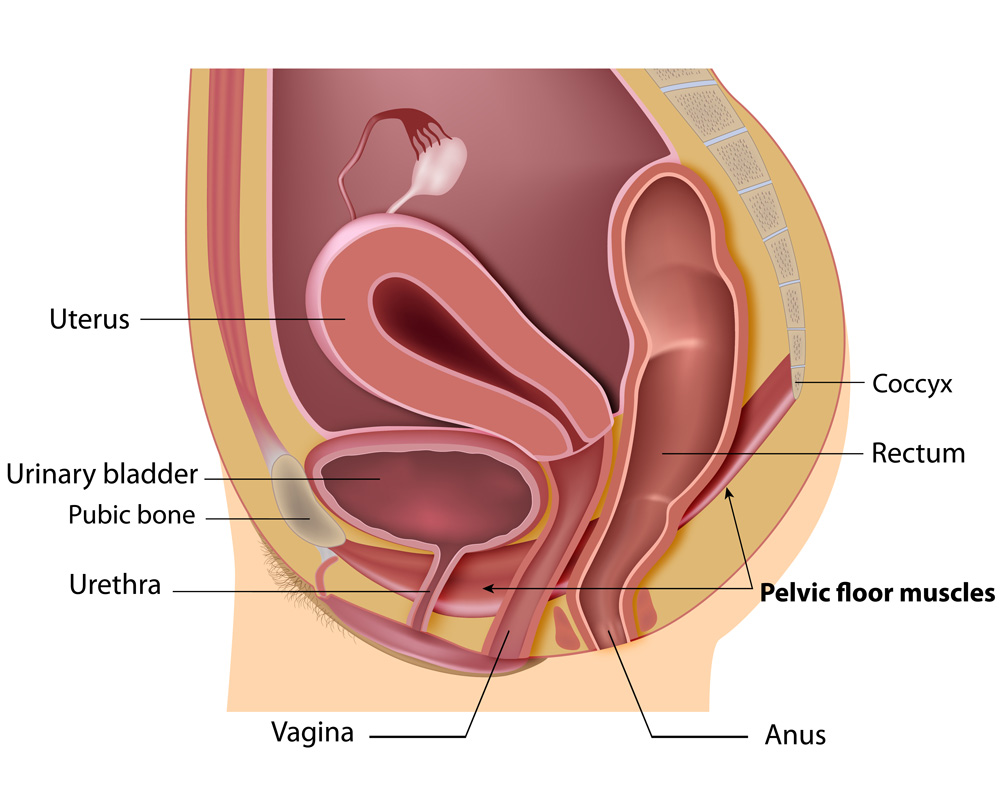
Many women notice it quietly: leaking when laughing, urgency that comes out of nowhere, waking at night just to pee. It often starts after 40. And many women carry it alone. But the data is clear. Over 50% of women over 45 experience some degree of urinary incontinence, according to the American Urological Association. This isn’t rare. It’s common — and treatable. Hormonal decline weakens pelvic floor muscles and thins urethral tissue. Years of childbirth, caregiving strain, and core neglect compound the issue. Yet shame keeps women silent, making a medical issue feel like a personal failure. What helps isn’t “holding it better.” It’s pelvic floor therapy, targeted strength training, estrogen creams when appropriate, bladder retraining, and reducing bladder irritants like caffeine. Women who receive pelvic floor therapy report up to 70% symptom improvement within months. You didn’t fail your body. Your body has been carrying more than anyone ever acknowledged. #Health #WomensHealth #PelvicHealth

.The Bladder Changes Women Are Ashamed to Talk About
Lucas Mendez

The Silent Strength Loss Women Don’t Notice Until They Struggle With Everyday Tasks

Women lose muscle mass faster than men as they age — up to 8% per decade after 40, and even faster during menopause due to estrogen decline. But because the loss is gradual, most women don’t realize it until everyday tasks become unexpectedly hard: lifting groceries, standing up quickly, climbing stairs, or carrying laundry. This is not a fitness issue — it’s a metabolic one. Muscle is the body’s glucose regulator, joint protector, and the foundation of long-term independence. Without enough of it, blood sugar swings increase, fatigue gets worse, and injury risk rises. Good news: strength comes back quickly. Two 20-minute resistance sessions a week can significantly rebuild muscle, improve insulin sensitivity, and stabilize mood. Your body isn’t failing — it just needs the kind of support no one taught women to prioritize. #Health #WomensHealth #Strength

The Silent Strength Loss Women Don’t Notice Until They Struggle With Everyday Tasks
Lucas Mendez

When Midlife Bloating Isn’t “Just Your Period Changing”

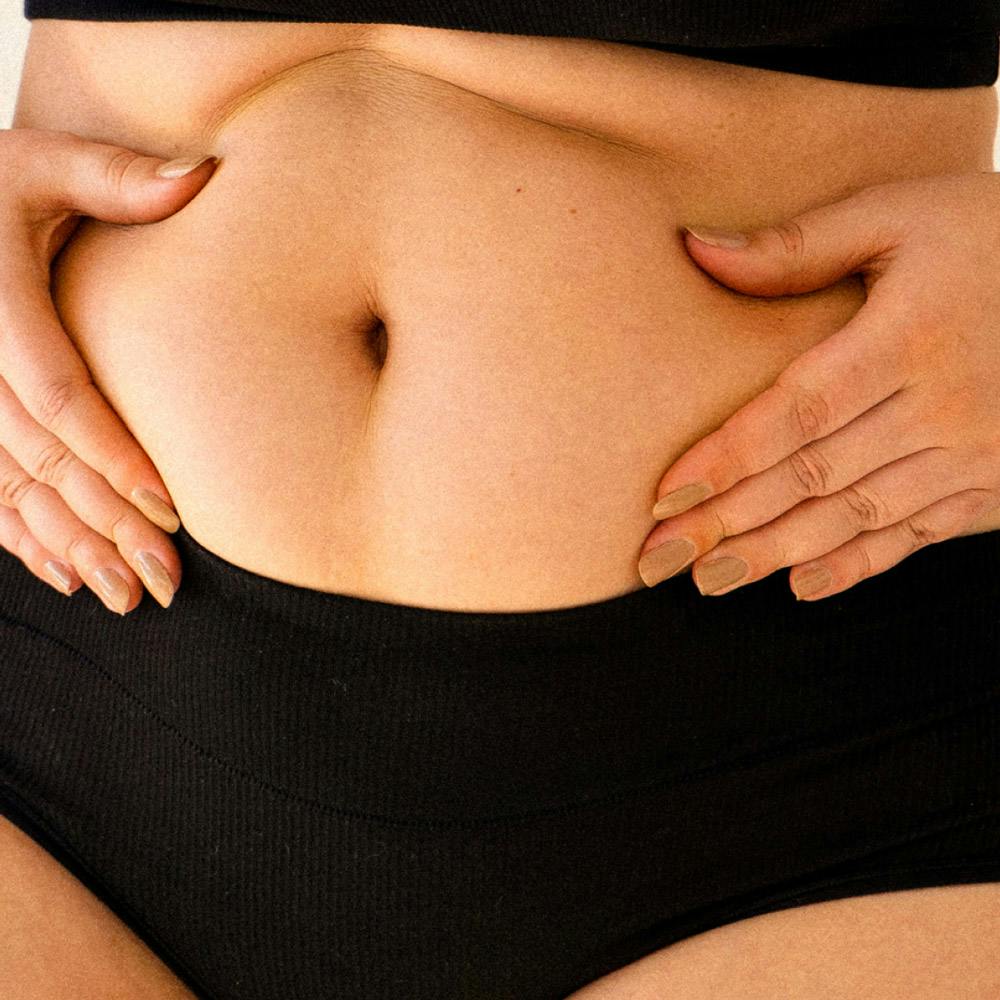
Persistent bloating during midlife often gets overlooked — even by doctors. But the data is strong: gut motility slows by up to 30% in perimenopause, and estrogen decline changes the gut microbiome, increasing gas and sensitivity. Women often describe this as “looking pregnant at night,” cycling between flat in the morning and distended by evening. This symptom affects self-esteem, social interactions, appetite, and even breathing comfort. Helpful interventions include walking after meals, reducing carbonated drinks, increasing soluble fiber, tracking FODMAP triggers, and checking for underlying issues like SIBO, which becomes more common in women over 45. Your bloating is not “小题大做.” It's a real physiological shift — and understanding it is the first step toward relief. #Health #WomensHealth #GutHealth

When Midlife Bloating Isn’t “Just Your Period Changing”
Lucas Mendez

Why Midlife Women Wake Up at 3 a.m. and Can’t Fall Back Asleep

The “3 a.m. wake-up” is one of the most universal yet least understood midlife symptoms. Research shows over 60% of women in perimenopause experience sleep-maintenance insomnia, meaning they fall asleep fine but can’t stay asleep. This happens when fluctuating estrogen and progesterone disrupt temperature regulation, cortisol timing, and melatonin release. The body runs hotter at night, the mind feels more alert, and the heart rate rises slightly — creating a perfect storm for early waking. What helps: cooling mattresses, magnesium glycinate, consistent sleep-wake times, eating earlier to avoid nighttime glucose spikes, and reducing alcohol, which dramatically worsens 3 a.m. awakenings for midlife women. You’re not “overthinking.” Your biology is waking you up — and the more you understand it, the more you can finally sleep. #Health #WomensHealth #SleepHealth

Why Midlife Women Wake Up at 3 a.m. and Can’t Fall Back Asleep