Category Page news

✅CHAUNCEYDATGUY

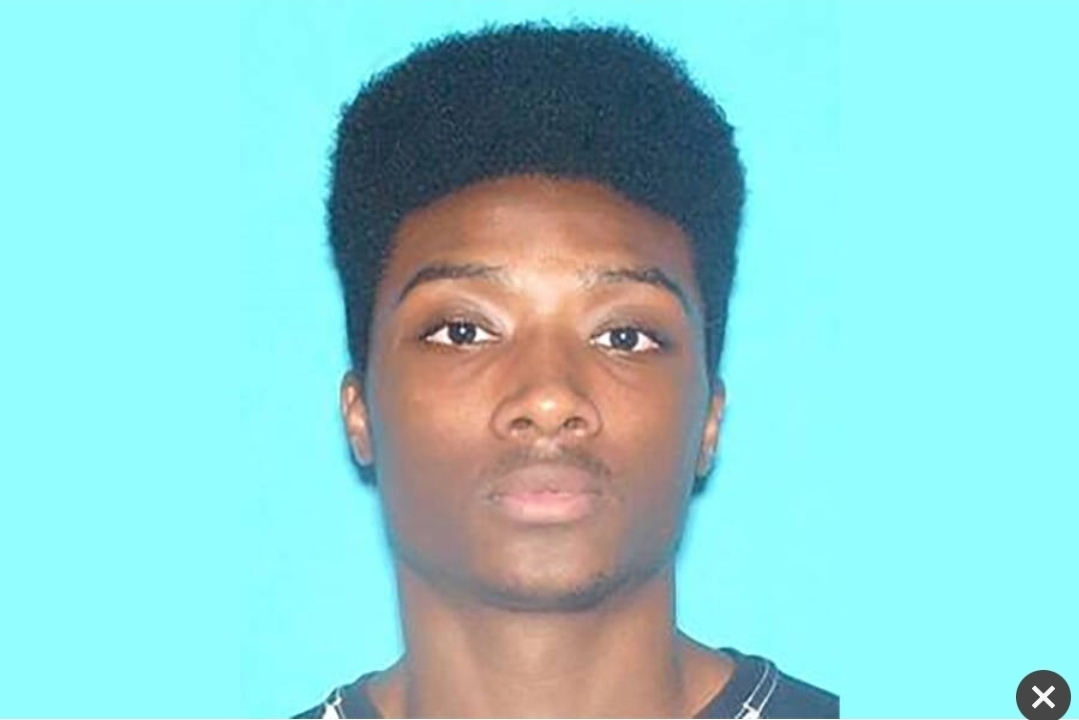
How Serial Killer Khalil Wheeler-Weaver Was Brought Down By The Same App He Used To Hunt For Victims

Khalil Wheeler-Weaver lived a double life — a calm, well-dressed young man from Orange, New Jersey, working security jobs while secretly hunting women online. Between August and November of 2016, he used dating and social apps like Tagged to lure victims, murdering three women and attempting to kill a fourth. His victims included 19-year-old Robin West, 33-year-old Joanne Brown, and 20-year-old college student Sarah Butler, whose tragic death finally exposed his crimes. Sarah met him through Tagged and was found strangled and raped beneath a pile of sticks. Her family refused to let her death go unanswered. Using Sarah’s own account, her sister created a fake profile on Tagged and teamed up with police to set a trap. When Wheeler-Weaver arrived expecting another victim, undercover officers were waiting. Investigators later found chilling online searches and phone records linking him to all three murders. In 2021, after facing the victims’ families in court, he was sentenced to 160 years in prison — ending the reign of the so-called Tagged Killer. #TrueCrime #JusticeForSarah #TaggedKiller #ChaunceyDatGuy

How Serial Killer Khalil Wheeler-Weaver Was Brought Down By The Same App He Used To Hunt For VictimsHow Serial Killer Khalil Wheeler-Weaver Was Brought Down By The Same App He Used To Hunt For VictimsHow Serial Killer Khalil Wheeler-Weaver Was Brought Down By The Same App He Used To Hunt For VictimsHow Serial Killer Khalil Wheeler-Weaver Was Brought Down By The Same App He Used To Hunt For Victims
Angela Maria Quintanal

🚨 Common Ways Police Ruin Their Careers 1. Excessive Force - Using more physical power than necessary to subdue suspects. - High-profile cases (e.g., George Floyd, Eric Garner) show how excessive force can destroy careers and spark national outrage. - Leads to criminal charges, civil lawsuits, and dismissal. 2. Corruption & Abuse of Authority - Bribery, theft, falsifying reports, or planting evidence. - Violates both law and departmental policy, often resulting in termination and prosecution. 3. Racial Profiling & Discrimination - Targeting individuals based on race, religion, or ethnicity. - Damages community trust and can result in lawsuits or federal investigations. 4. Sexual Misconduct - Harassment, assault, or inappropriate relationships with vulnerable individuals. - Considered one of the most career-ending forms of misconduct. 5. Off-Duty Behavior - Many officers ruin themselves outside of work—through drunk driving, domestic violence, or reckless social media posts. - These personal choices often lead to dismissal or criminal charges. 6. Breaking the “Blue Wall of Silence” - Ironically, officers who report misconduct often face retaliation from peers and leadership. - Whistleblowers have been harassed, threatened, or even forced out of the profession. --- ⚖️ Why This Matters - Public trust: Misconduct undermines confidence in the justice system. - Legal consequences: Officers face lawsuits, criminal charges, and loss of pensions. - Community impact: Families and neighborhoods suffer when misconduct escalates tensions. --- 🔑 Takeaway Police careers are most often ruined by misconduct—especially excessive force, corruption, and poor off-duty choices. Even whistleblowers who try to uphold integrity can face retaliation. The pattern shows that accountability and ethical behavior are the only sustainable paths for officers to protect both their careers and the communities they serve.

1776 Patriot

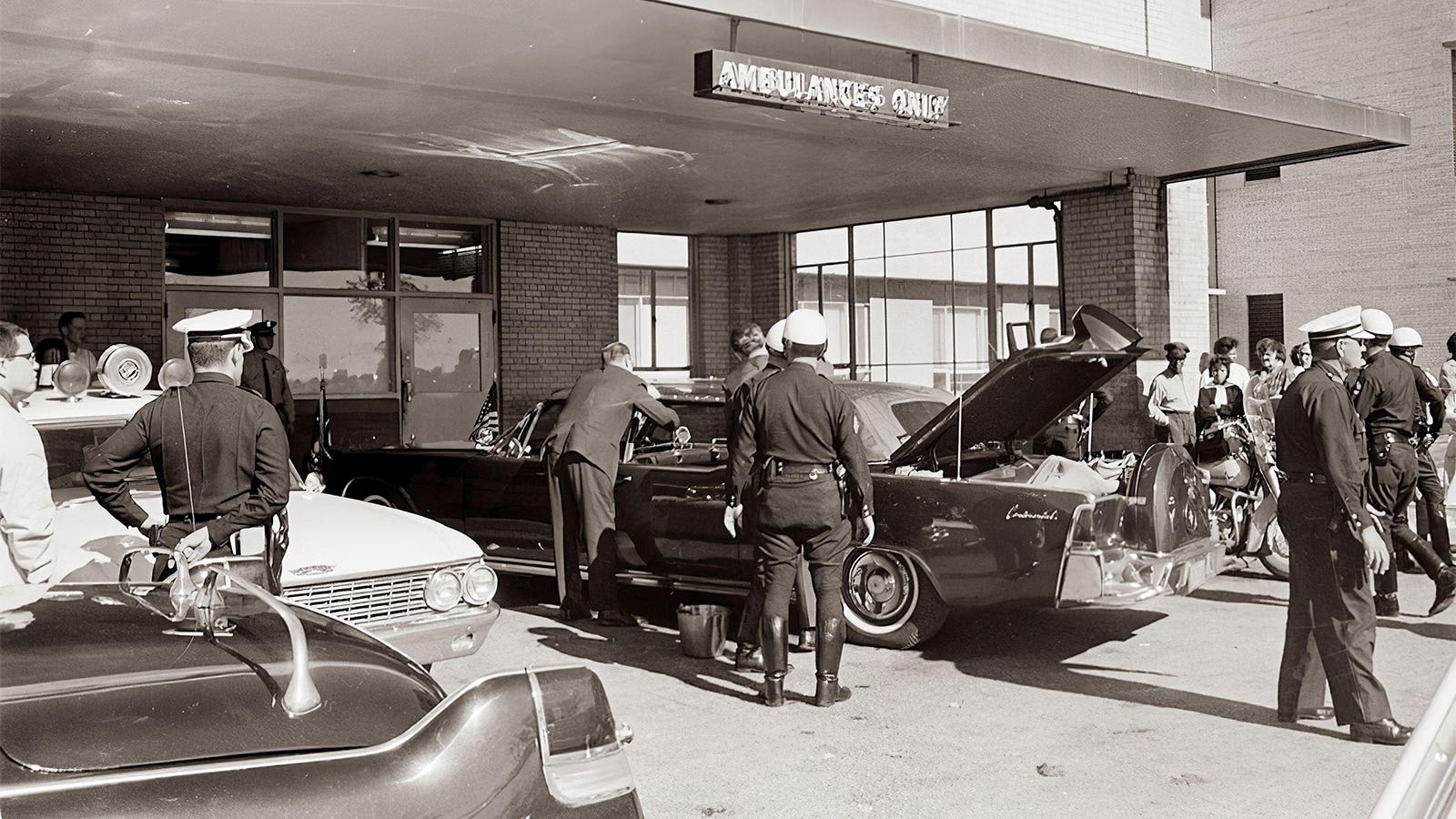
JFK’s Final Moments: Parkland Surgeons vs. Official Story

When President John F. Kennedy arrived at Parkland Memorial Hospital on November 22, 1963, the trauma team faced shocking devastation. Doctors, including Dr. Charles Carrico, Dr. Malcolm Perry, Dr. Kemp Clark, and Dr. Robert Jones, immediately recognized the gravity of his injuries, leaving several visibly shaken. Their accounts, given during frantic efforts to save the President, later appeared to conflict with the official Bethesda autopsy, fueling decades of speculation. Dr. Carrico first noted a small, round wound in Kennedy’s throat just below the Adam’s apple. To him, it looked like a clean entry rather than an exit wound. Dr. Perry, performing an emergency tracheostomy to help Kennedy breathe, confirmed this impression at a press conference, describing it as a likely entry wound, shocking reporters and suggesting a shot from the front. The head wound left the deepest impression. Dr. Clark and Dr. Jones both described a massive blowout at the rear of the skull. Dr. Jones recalled seeing a large portion of bone and brain missing, with cerebellar tissue exposed, indicating catastrophic rear damage. Other doctors noted brain tissue spilling out and skull fragments displaced in multiple directions. The destruction was so severe that it suggested, to trained surgeons, a shot entering from the front and exiting the rear. Their separate testimonies remarkably aligned in describing the chaos and scale of the injury. The official autopsy at Bethesda, however, described the head wound differently, placing the defect at the top and right side of the skull and concluding all shots came from behind. The throat wound was reinterpreted as an exit from a bullet entering Kennedy’s back. Later-released JFK files highlighted disputes among witnesses, missing evidence, and internal pressure, raising questions about whether the Parkland doctors’ observations, including Dr. Jones’ vivid description, were altered to fit the lone-gunman narrative. #Kennedy #History #USHistory
JFK’s Final Moments: Parkland Surgeons vs. Official Story
Patrick Brooks

Immigration Benefits Policy Keeps Families Apart

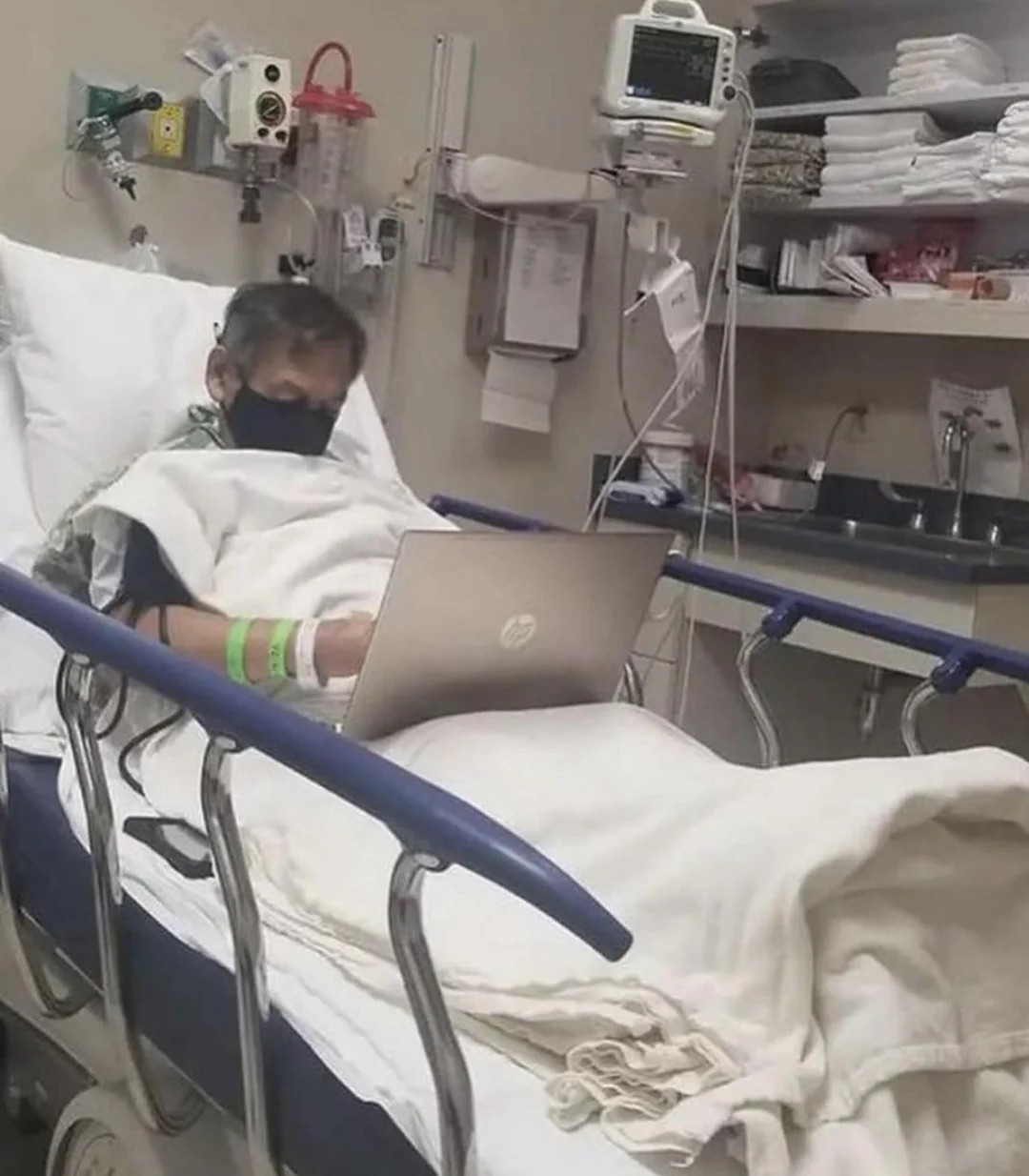
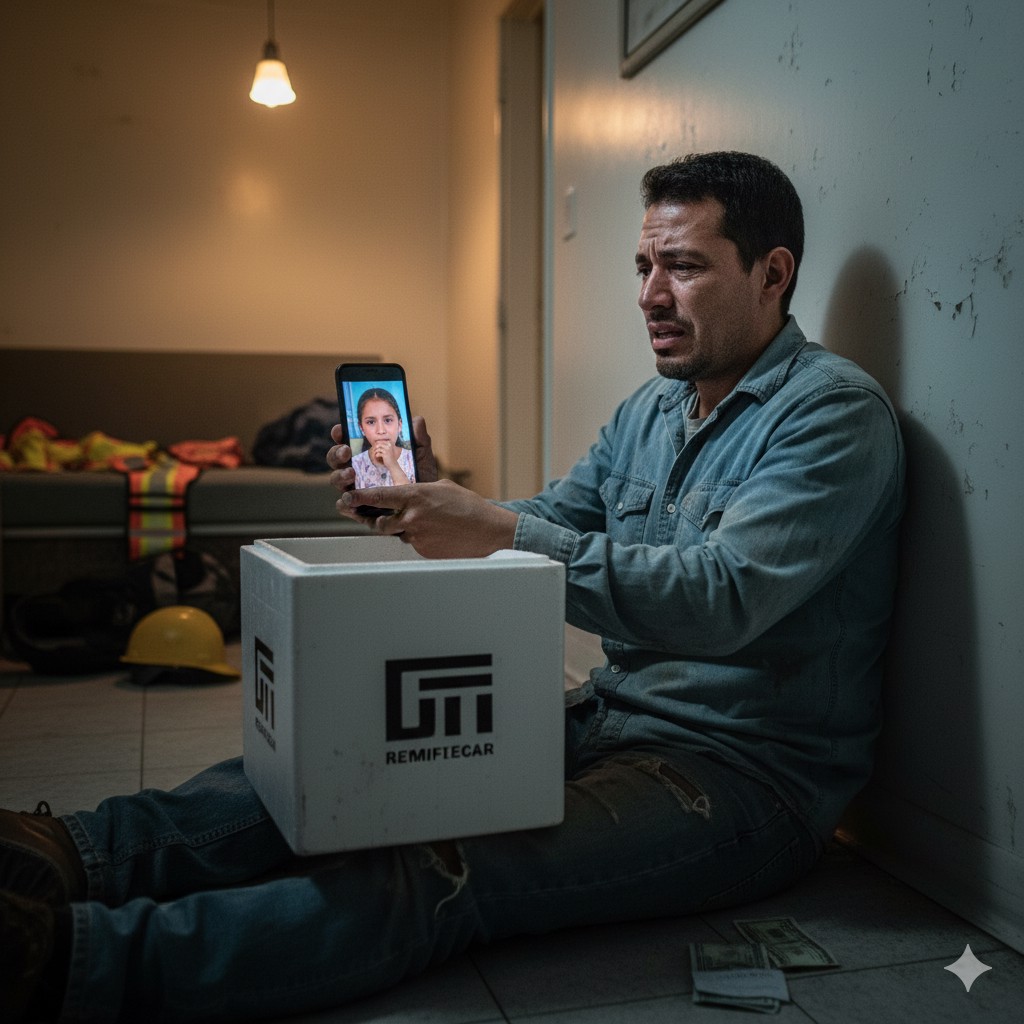
I’ve been working in the U.S. for four years—construction by day, food delivery by night. I have no free time, but still can’t bring my child here. Because my status hasn’t been approved, my child can’t get healthcare, can’t enroll in school here, and can’t access any benefits. Every month, I send money back home. But during video calls, seeing my child sick and untreated breaks my heart. I’m not lazy. I work harder than many. But the system feels like an invisible wall between us. I’m not asking for everything. I just hope long-term, law-abiding taxpayers like me can get more support to reunite with our families. Children shouldn’t be punished for their parents’ immigration status. #ImmigrationPolicyNow

Immigration Benefits Policy Keeps Families Apart
DappledDolphin

This story is haunting — and says a lot about how we treat people who won’t sell

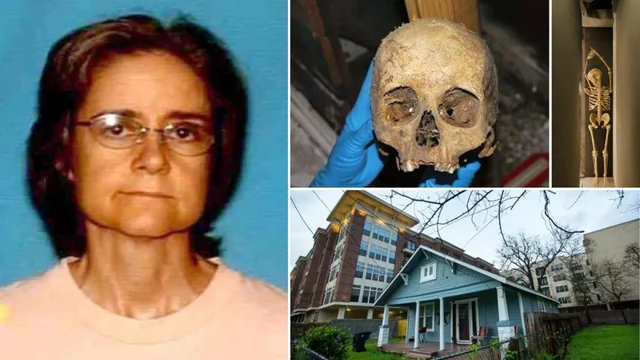
I just read about the woman whose remains were found inside the wall of her own home — after she went missing in 2015. Turns out, she’d been one of the last people refusing to sell her house to the developers next door. That detail hit me hard. She wasn’t some recluse — she was someone who simply wanted to keep her home. The same walls she fought to protect ended up becoming her grave. I don’t know the full story, and I’m not jumping to conclusions, but it really makes me think about how much pressure regular people face when big money wants their land. Developers can call it “progress,” but for a lot of folks, it’s erasure. She probably thought she was just standing her ground — like anyone would. Now she’s gone, and the neighborhood’s probably a parking lot or luxury condos by now. It’s heartbreaking how we only talk about people like her after something terrible happens. #Creepy #UnexpectedResults #UnexpectedHistory

This story is haunting — and says a lot about how we treat people who won’t sell
Anthony Pierce

If You Can Work, You Should

I know this Medicaid work requirement thing is controversial, but honestly… I kinda agree with it. 🤷‍♂️ My wife and I both work — she does night shifts at Walmart, I do warehouse hours. We don’t qualify for Medicaid, even though we barely scrape by some months. Then I see people around me who are fully capable of working, not doing much, and still getting full healthcare. That doesn’t sit right with me. Now, I’m not saying everyone should be forced to work when they’re sick or caring for family. But if you can contribute — even part-time — I think it’s fair. The system’s falling apart because too many people take more than they give. Healthcare shouldn’t be free for those who won’t lift a finger. #WorkOrLoseCare

If You Can Work, You Should
Category: News - Page 29 | LocalHood