Tag Page AmericanHistory

#AmericanHistory
LataraSpeaksTruth

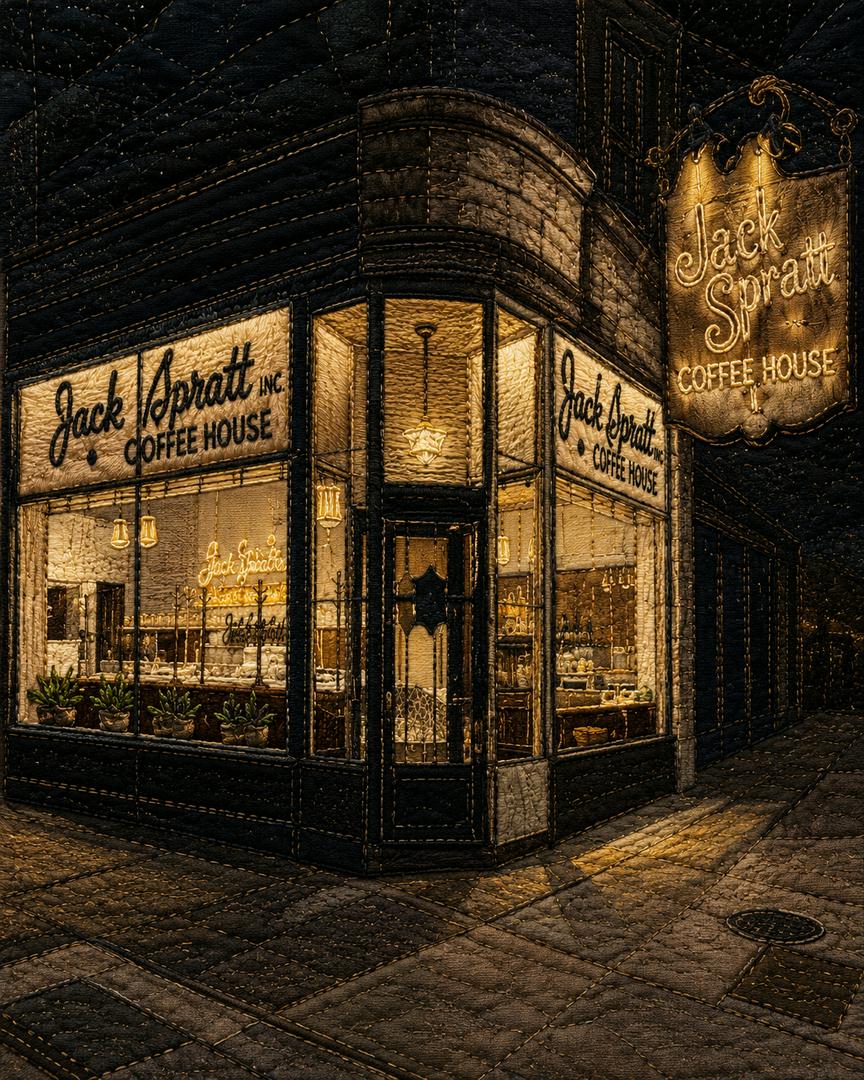
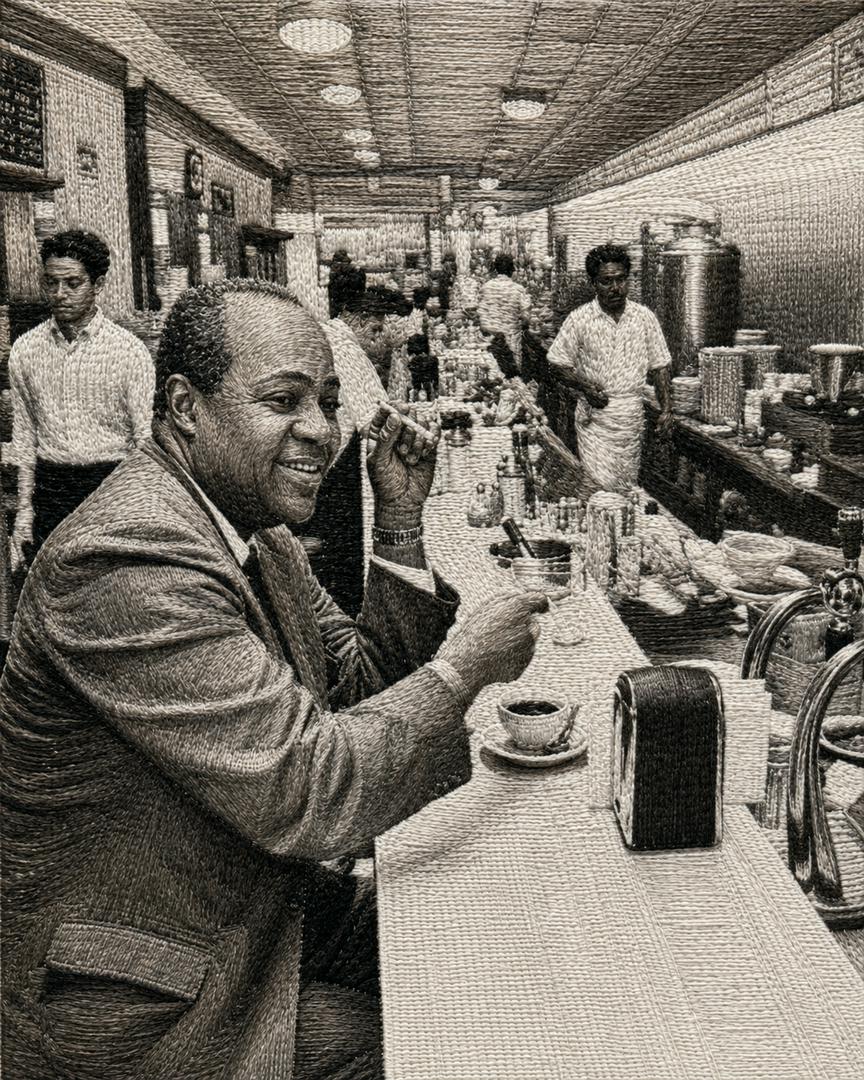
On May 15, 1943, Chicago CORE carried out one of the early organized sit-ins against discrimination in public accommodations. Twenty-eight people entered Jack Spratt in small groups. Each group included at least one African American person. White customers were served, while African American customers were refused. Instead of eating, the white participants passed food to their companions or refused to eat until everyone was served. The manager tried to separate the group, suggesting African American customers eat in the basement or in a back corner. Farmer refused. The police were called, but they reportedly said the protesters had broken no law. Eventually, the restaurant served everyone. Follow-up visits showed that Jack Spratt had changed its policy. This sit-in did not become as famous as the 1960 lunch counter protests, but it helped shape the playbook. It showed how disciplined, nonviolent direct action could expose discrimination without needing a courtroom first. Sometimes history does not begin where the textbooks start. Sometimes it starts with a donut, a counter, and people refusing to accept second-class treatment. #History #ChicagoHistory #JamesFarmer #CORE #CivilRightsHistory #AmericanHistory #May15

LataraSpeaksTruth

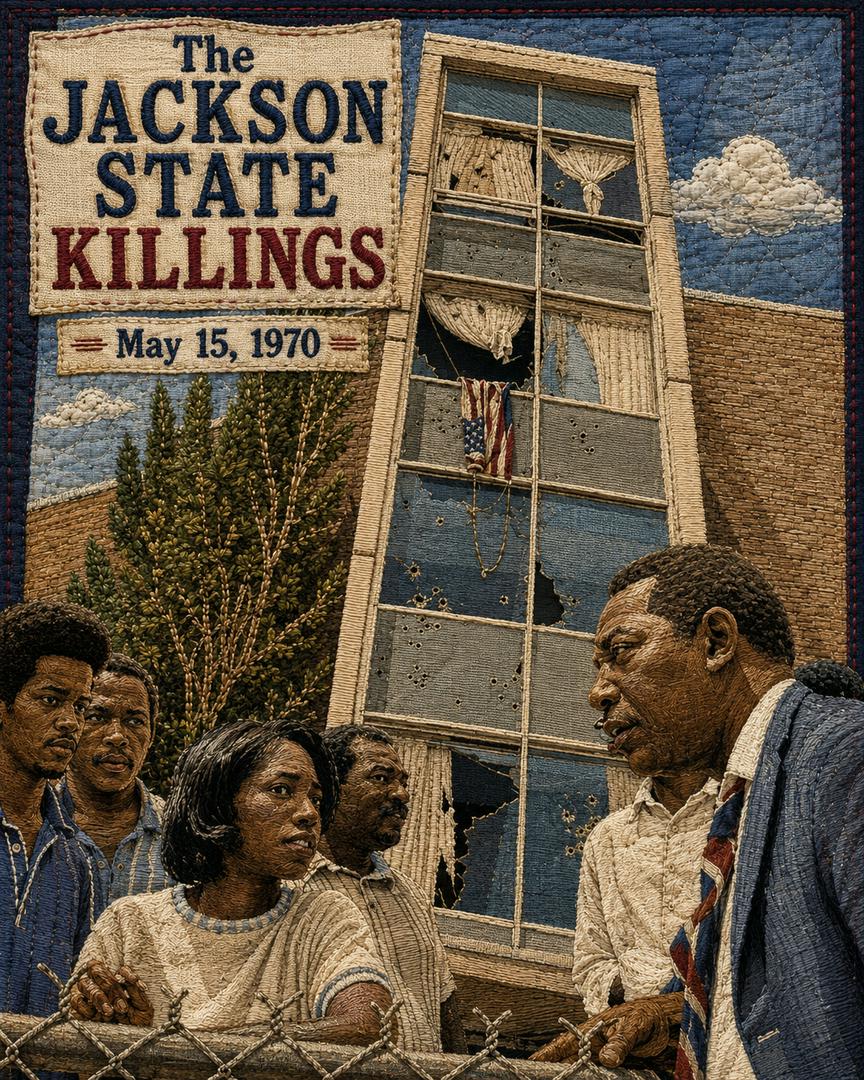
May 15, 1970… The Jackson State killings happened Less than two weeks after Kent State became a national symbol of campus tragedy, another deadly shooting unfolded at Jackson State College in Mississippi. But this one did not receive the same lasting national attention. Around midnight on May 15, 1970, law enforcement opened fire near Alexander Hall, a women’s dormitory on the campus of the historically Black college. When the gunfire stopped, two young men were dead. Phillip Lafayette Gibbs was 21 years old and a junior at Jackson State. James Earl Green was only 17, a senior at nearby Jim Hill High School. Twelve others were injured. Police claimed there had been sniper fire, but later accounts found no evidence confirming that students fired first. What is known is that officers unleashed a barrage of gunfire that struck the dormitory, shattered windows, and left bullet marks that became part of the campus memory. This story matters because Jackson State is too often treated like a footnote beside Kent State. Kent State happened on May 4, 1970. Jackson State happened on May 15, 1970. Both were campus shootings. Both involved young people. Both ended with students dead. But one became a national reference point, while the other was pushed further into the margins. Phillip Gibbs and James Green deserved more than a quiet place in history. Their names deserve to be spoken clearly. Their lives deserve to be remembered fully. And Jackson State deserves to be part of the national conversation about 1970, student protest, police violence, and whose pain gets remembered loudest. Today, the Gibbs Green Memorial Plaza at Jackson State stands as a reminder of what happened that night. Not rumor. Not exaggeration. History. Phillip Lafayette Gibbs. James Earl Green. May 15, 1970. Gone but not erased. #JacksonState #BlackHistory #AmericanHistory #OnThisDay #LataraSpeaksTruth

LataraSpeaksTruth

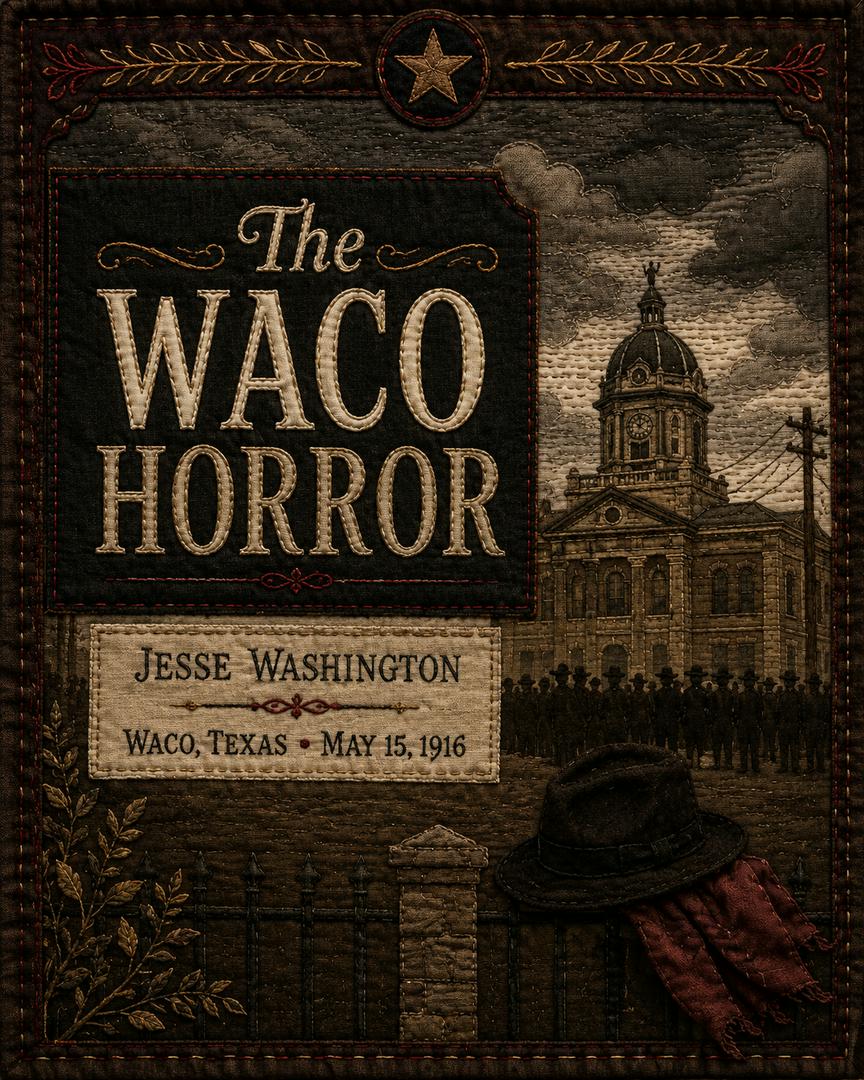
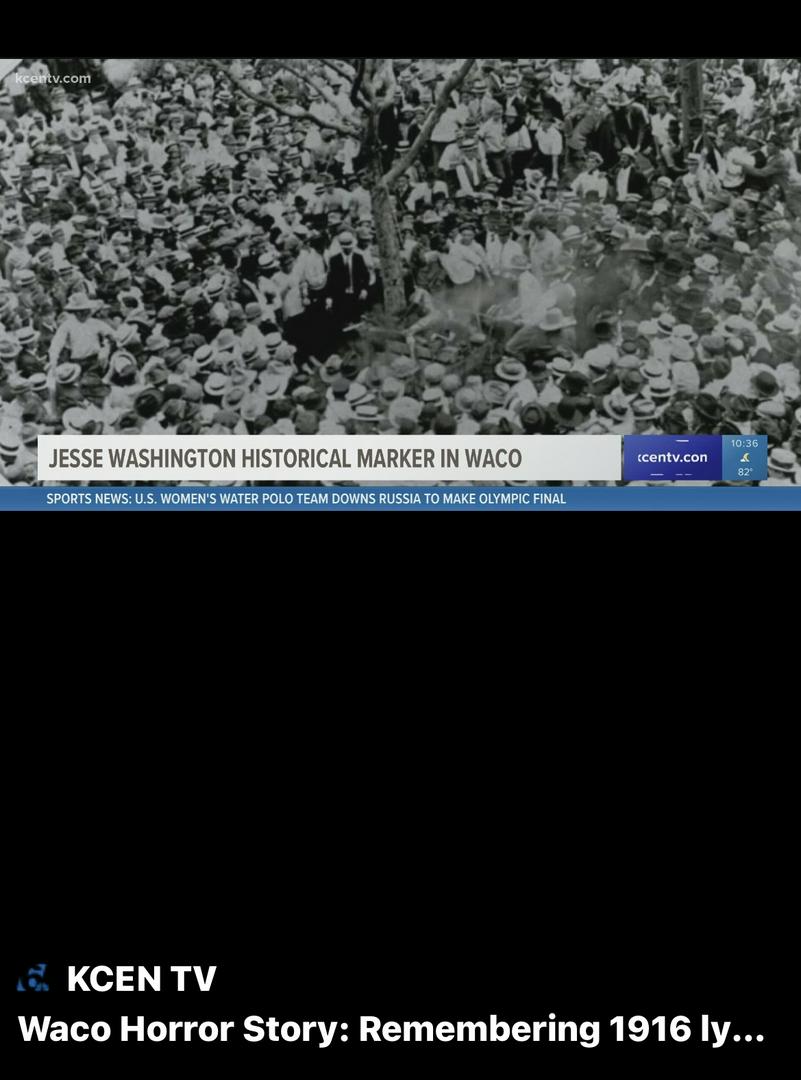
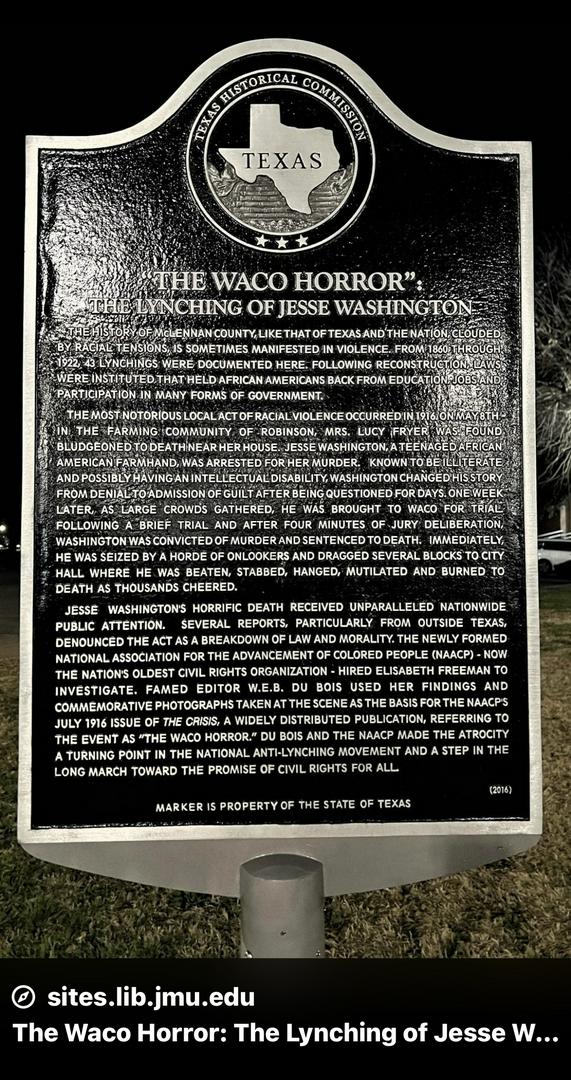
May 15, 1916, remains one of the darkest dates in Texas history. Jesse Washington was a 17-year-old Black farmhand in Waco, Texas, accused of killing Lucy Fryer, the wife of a white farmer in nearby Robinson. After a rushed trial on May 15, Washington was convicted and sentenced to death. But he never made it to a legal execution. A white mob pulled him from the McLennan County courthouse and dragged him through the streets. What followed became known as the “Waco Horror,” one of the most infamous documented lynchings in U.S. history. Thousands of people gathered near Waco City Hall as Washington was tortured and killed in public. Reports say city officials and law enforcement were present, yet no one stopped the mob. No one was punished for his death. The horror did not end there. Photographs were taken and sold as postcards, showing just how openly racial violence was displayed and normalized during that era. The NAACP later investigated the lynching, and W.E.B. Du Bois helped bring national attention to the case through The Crisis magazine. The images and reporting forced many Americans to confront the reality of lynching, not as rumor, but as public spectacle. Jesse Washington’s story is not easy to tell, but it should not be erased. It reminds us that history is not only what happened in courtrooms and government buildings. Sometimes history is what happened in the street while the whole town watched. And that is why his name still matters. #JesseWashington #WacoHistory #AmericanHistory #HiddenHistory #HistoryMatters

LataraSpeaksTruth

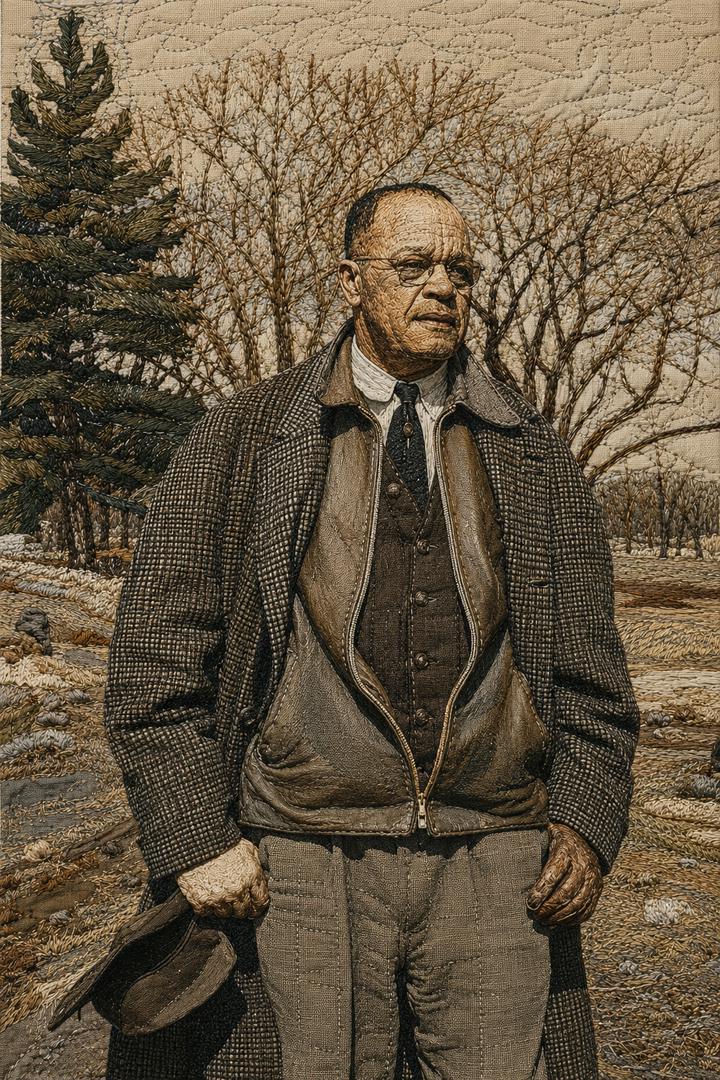
On May 14, 1888, Archie Alphonso Alexander was born in Ottumwa, Iowa. His name may not be repeated as often as it should be, but his life belongs in the record. Alexander became an engineer, architect, mathematician, businessman, and public servant at a time when doors were not simply closed to Black achievement, they were often locked, guarded, and denied. Alexander attended the University of Iowa and made history as the first African American to graduate from its College of Engineering. He graduated in 1912 with a BA in Civil Engineering, stepping into a field where few Black men were given room to stand, let alone lead. But Alexander did not stop at being first. He went on to build a career in engineering and construction, eventually forming Alexander & Repass with Maurice A. Repass. Their firm became known for major public works, including roads, bridges, and construction projects across the country. His work helped prove that Black excellence was not new, rare, or accidental. It was present even when history tried to look away. Alexander also served as governor of the U.S. Virgin Islands under President Dwight D. Eisenhower, adding another chapter to a life already filled with accomplishment. His story matters because he represents the builders who shaped America with their minds, hands, and vision while fighting against the limits placed on them. He did not just cross a barrier. He built beyond it. On his birthday, Archie Alphonso Alexander deserves to be remembered not only as a first, but as a foundation. #BlackHistory #ArchieAlexander #HiddenHistory #EngineeringHistory #AmericanHistory

Brandon_Lee

George W. Ashburn George W. Ashburn was a white Radical Republican who openly supported political rights for newly freed Black citizens during Reconstruction. That alone made him a target in Columbus, Georgia, where resistance to racial equality was strong and vocal. On March 31, 1868, Ashburn was assassinated inside a boarding house. Witnesses reported that a masked group forced their way in and shot him, a killing widely attributed to early Ku klux Klan activity. His murder came just weeks after he backed Georgia's new constitution, which expanded civil rights for Black residents. Because Georgia was still under military rule, his death did not stay a local matter. Federal authorities moved quickly, and on November 23, 1868, the case became national news when a military tribunal charged dozens of white men, some from prominent families, with participating in the assassination.The investigation exposed the organized backlash against Black political progress. It also showed how far opponents of Reconstruction were willing to go to silence anyone advocating for racial equality. But despite the national attention, the case fell apart. Political pressure, intimidation of witnesses, and Georgia's push to end military oversight led to the charges being dropped. No one was ever convicted. Ashburn's murder became a symbol of the violent resistance that shaped the end of Reconstruction, a reminder of the dangers faced not only by Black citizens, but by anyone who stood beside them during one of the most volatile periods in American history. #HistoryMatters #AmericanHistory #ReconstructionEra #GeorgiaHistory #CivilWarLegacy #Postwar south #HistoricalRecord #USHistoryStory #OnThis DayHistory

LataraSpeaksTruth

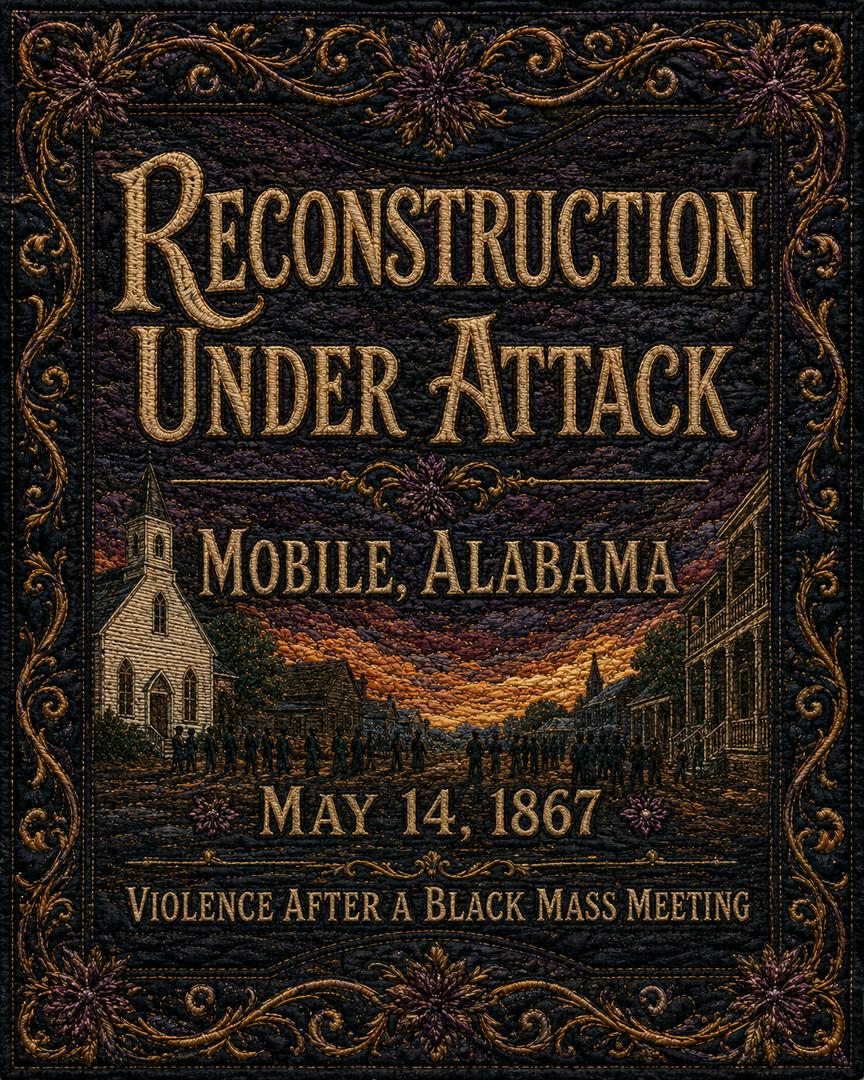
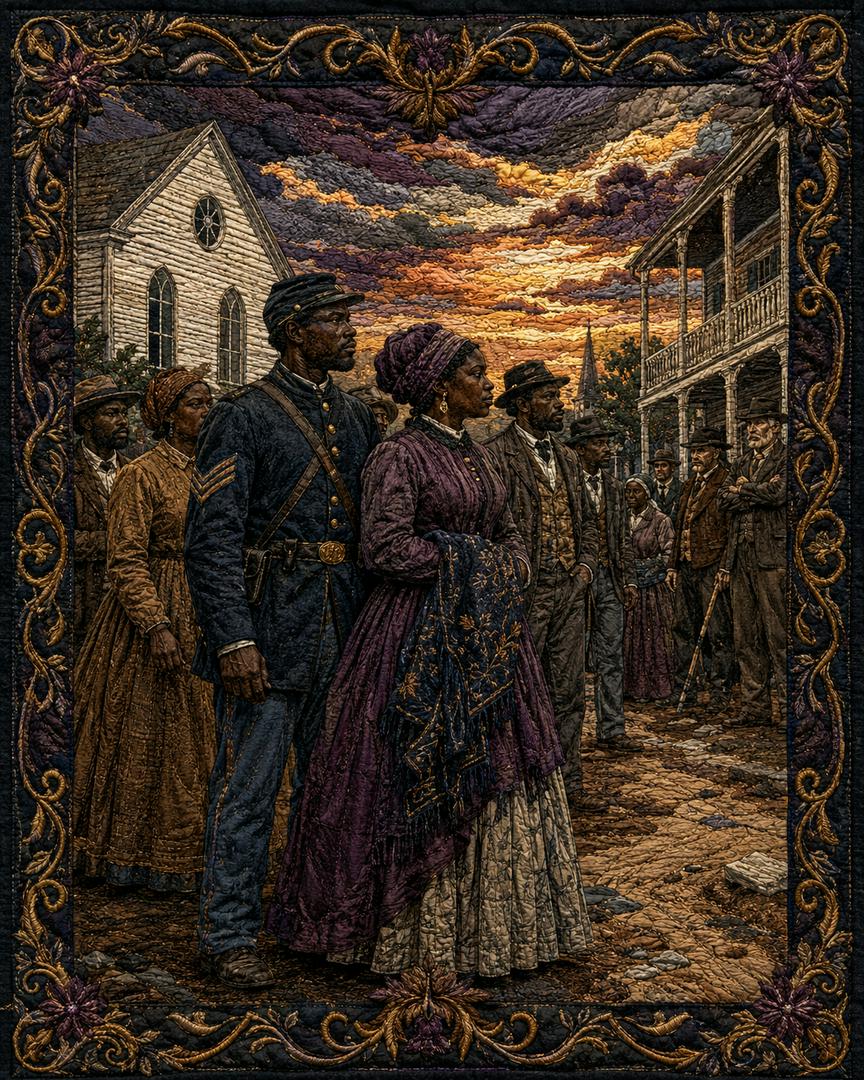
On May 14, 1867, Mobile, Alabama became another Reconstruction-era reminder that freedom on paper did not mean safety in the streets. That day, deadly violence broke out during a Republican public meeting where Congressman William D. Kelley of Pennsylvania was speaking. Kelley was a Radical Republican, and his visit came during a tense period when formerly enslaved people, Black Union veterans, and Republican organizers were pushing for real political power after the Civil War. According to House Divided, shots were fired near the edge of the crowd. Two people were killed and several others were wounded. Mobile was already tense, with former Confederates, Black Union veterans, and newly active Black citizens all living through the collision between the old order and the promise of Reconstruction. This was not just random violence. Across the South, Black citizens were gathering, organizing, voting, speaking, and demanding a place in public life. In response, white resistance often followed. The goal was not only to disrupt one meeting. The message was bigger: stay away from politics, stay away from the ballot box, and stay in the place the old order had assigned you. That is why Mobile matters. The violence of May 14, 1867 shows how Reconstruction was fought not only in Congress or state houses, but in public meetings, city streets, churches, and gathering places where Black people dared to act like free citizens. They had served in war. They had built communities. They had survived slavery. Now they were demanding a voice. And the backlash came hard. History should remember this clearly: the violence was not proof that Black political power was dangerous. It was proof that some people were terrified of Black political power becoming real. #ReconstructionHistory #BlackHistory #MobileAlabama #VotingRightsHistory #AmericanHistory

LataraSpeaksTruth

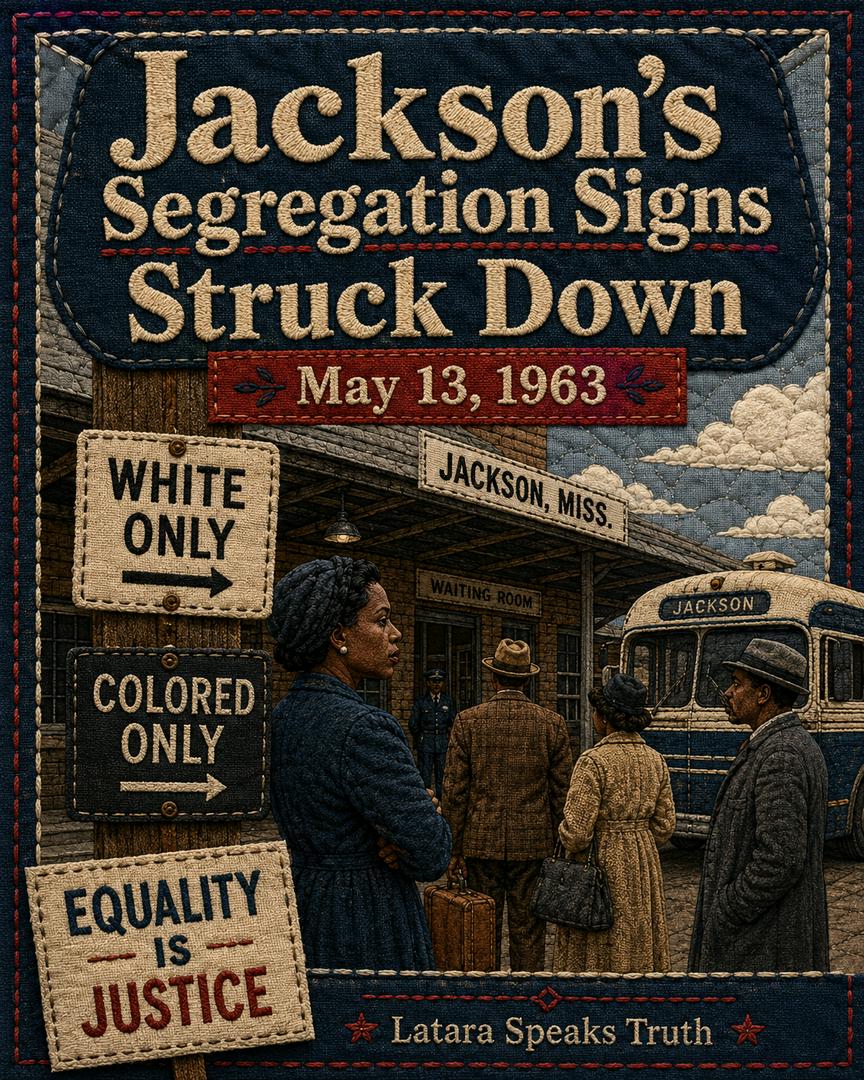
May 13, 1963… A federal appeals court ruled against Jackson, Mississippi’s attempt to keep segregation alive through city-backed signs. The case was United States and Interstate Commerce Commission v. City of Jackson. At the center were sidewalk signs near transportation terminals directing people to “White Only” and “Colored Only” waiting rooms. By then, federal law and Interstate Commerce Commission rules had moved against segregation in interstate transportation facilities. But Jackson found another way. Police placed signs outside the terminals and tried to keep racial separation standing from the sidewalk. That detail matters. These were not random signs. The wording said “By Order Police Department,” making clear this was not only custom or habit. This was public power used to preserve separation. The Fifth Circuit saw through it. The court ruled against Jackson’s use of city authority to maintain segregated spaces after the law had moved in another direction. This story shows how segregation did not disappear just because a court ruling or agency rule said it should. Local governments looked for loopholes. If one door closed, they tried another one. If carriers could no longer keep separate waiting rooms, the city tried to keep the same message alive with police-backed sidewalk signs. History remembers the marches, speeches, laws, and famous cases. But some revealing moments are smaller. A sign on a sidewalk. A city order. A waiting room. An attempt to keep people in their “place” after the law had started saying otherwise. On May 13, 1963, the court made clear Jackson could not use public authority to keep segregation standing under a different name. The signs looked simple, but carried the weight of a whole system. The ruling reminds us that progress was fought in courtrooms too, line by line, sign by sign, until the old system had fewer places left to hide too. #CivilRightsHistory #OnThisDay #MississippiHistory #AmericanHistory

LataraSpeaksTruth

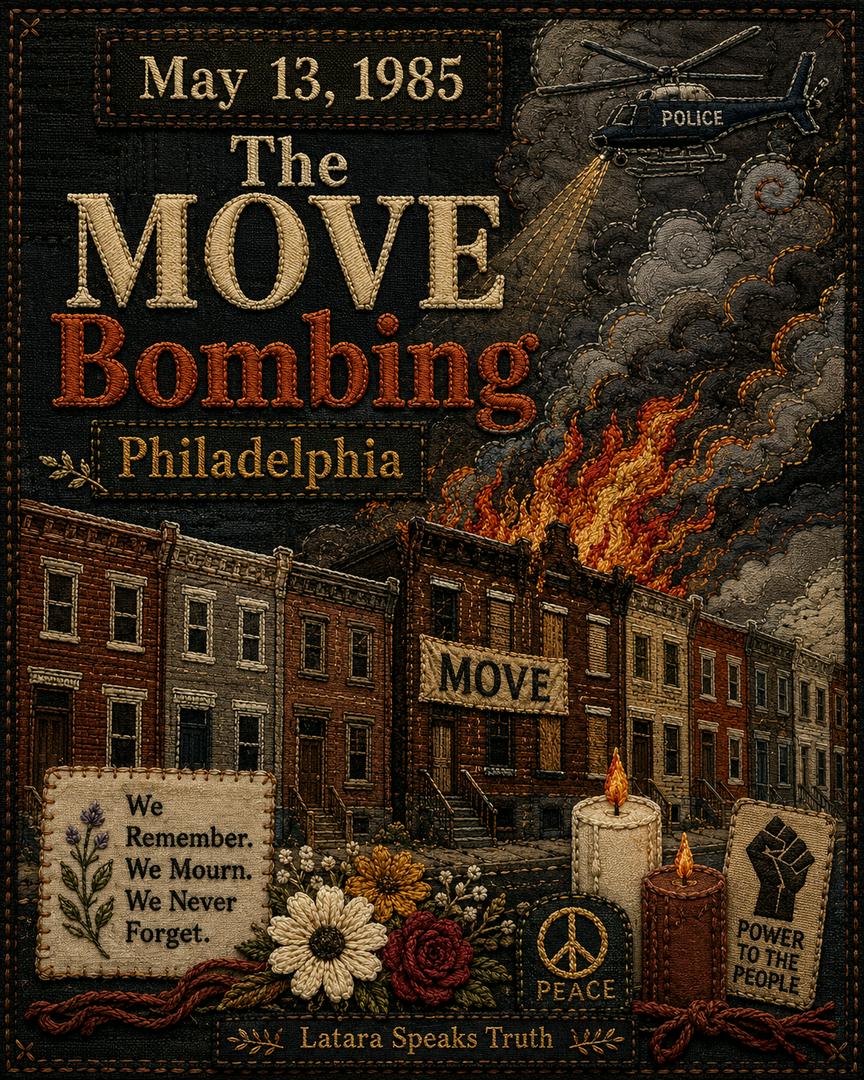
May 13, 1985, remains one of the darkest days in Philadelphia history. That morning, police moved in on the MOVE organization’s rowhouse at 6221 Osage Avenue after years of conflict between the city, neighbors, and the group. What followed was not just a police operation. It became a catastrophe that scarred an entire neighborhood. Police fired thousands of rounds during the confrontation. Later that day, from a helicopter, authorities dropped an explosive device onto the roof of the home. The blast started a fire. Instead of being put out immediately, the fire was allowed to burn. By the time it was over, 11 people were dead, including five children. Dozens of nearby homes were destroyed. Sixty-one houses burned, and about 250 people were left homeless. The names of the children killed should not be pushed to the side of history: Tree Africa, Delisha Africa, Netta Africa, Tomaso Africa, and Little Phil Africa. The MOVE bombing was not something that happened in another country or during some distant war. It happened in an American city, on a residential block, with families living nearby. It showed how quickly force, fear, and failed leadership can turn a neighborhood into ashes. A city commission later called the decision to drop a bomb on an occupied rowhouse “unconscionable.” Yet no city official was criminally charged. That is why May 13 matters. It is not just a date. It is a reminder of what happens when power is used without restraint, when accountability comes too late, and when the people most harmed are expected to carry the memory alone. Philadelphia rebuilt the block, but history does not rebuild that easily. Some stories are painful to tell, but silence does not honor the dead. Remembering does. #MOVEBombing #PhiladelphiaHistory #May131985 #AmericanHistory #LataraSpeaksTruth

sandwich shop

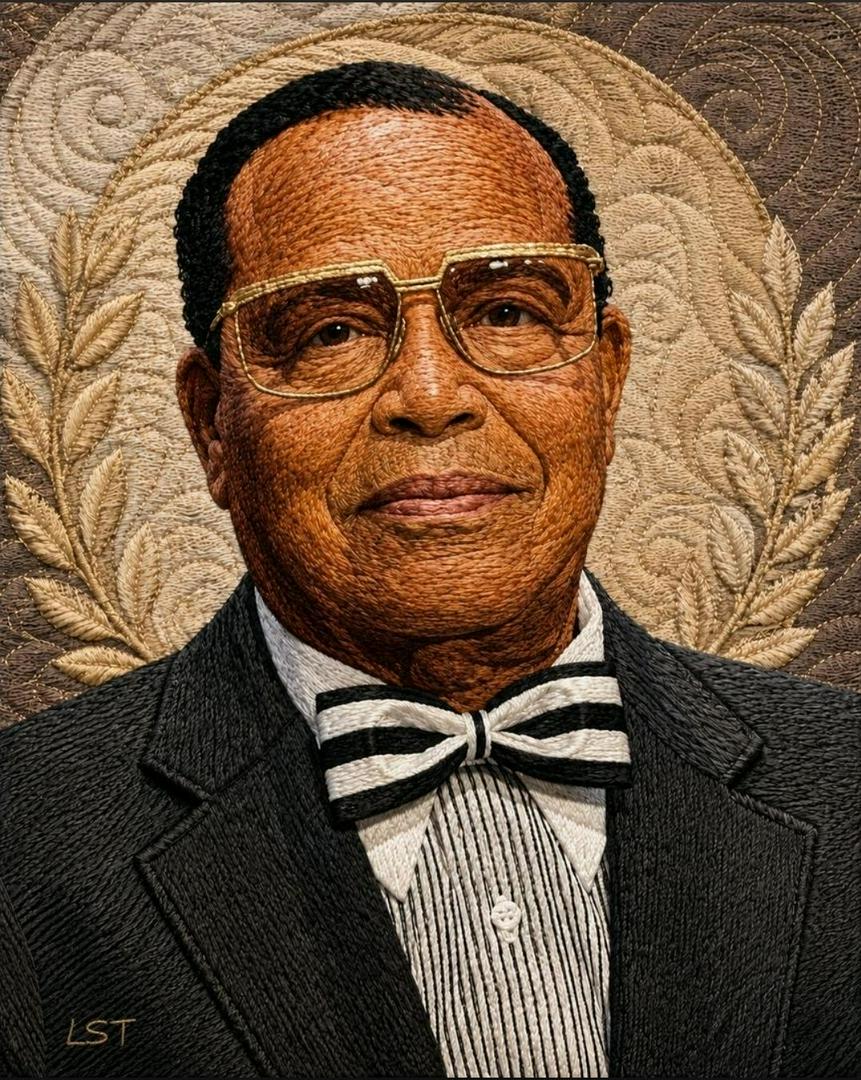
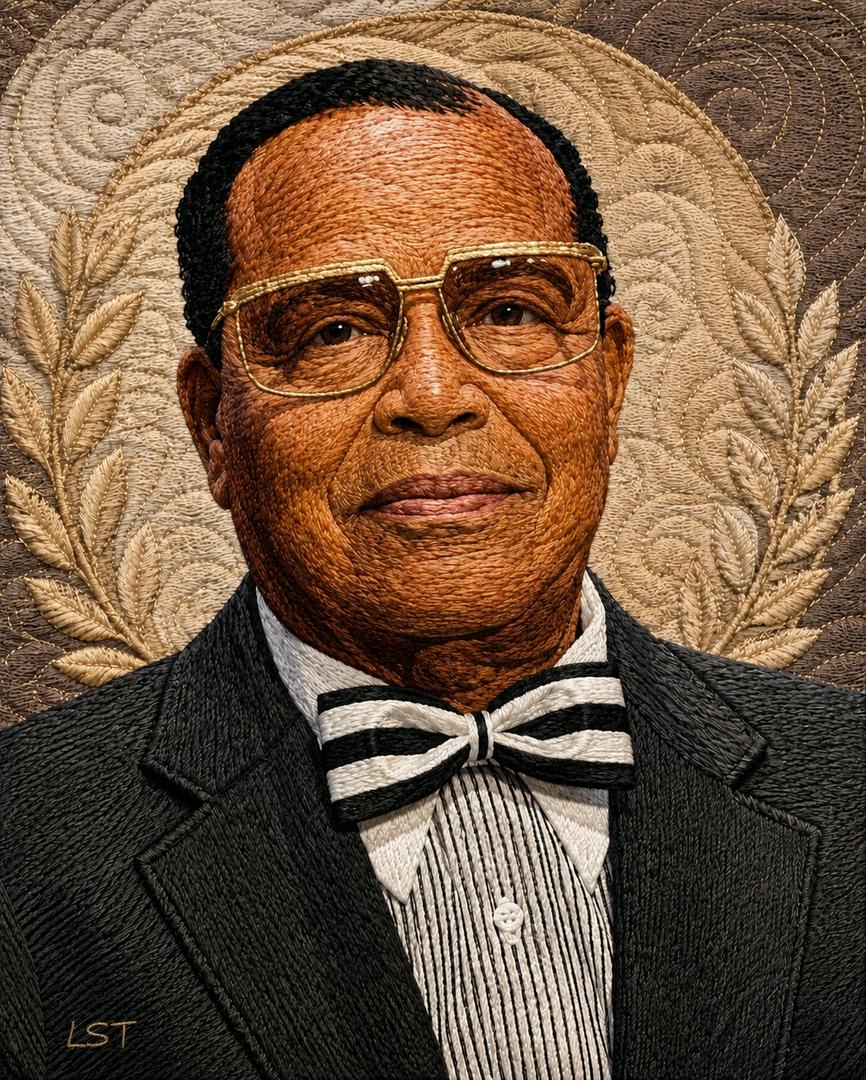
Louis Farrakhan was born Louis Eugene Walcott on May 11, 1933, in the Bronx, New York. He would become one of the most recognized and debated religious and political figures in modern American history Raised in Boston, Farrakhan was known early for his musical talent before becoming connected to the Nation of Islam in the 1950s. Over time, he rose through the organization's ranks and became one of its most visible voices. By the late 1970s and earlv 1980s, he helped rebuild the Nation of slam after a maior internal shift following the death of Eliiah Muhammad Farrakhan's public influence has been significant, especially among people drawn to messages about self-discipline, economic independence, religious identity, and community responsibility. One of the most visible moments of his leadership came in 1995, when he helped organize the Million Man March in Washinaton, D.C., an event that brought hundreds of thousands of men together around themes of accountability, unity, and renewal. At the same time, Farrakhan's legacy remains deeply controversial. Critics have condemned many of his public statements especially comments viewed as antisemitic anti-LGBTO, or hostile toward other groups. Supporters, however, arque that his work should also be understood through his ong-standing emphasis on Black self-reliance, faith, family structure, and social reform. That tension is why Farrakhan remains a complicated figure in American public life. His name is tied to religion, politics nationalism, activism, controversy, and influence all at once flattened into praise or dismissal. Louis Farrakhan's life reflects how one public figure can inspire loyalty, criticism, debate and division across generations. His impact is real. The debate around that mpact is real too. #LouisFarrakhan #Mav11 #BlackHistory #AmericanHistory #NationOflslam #ReligiousHistory #PoliticalHistory #HistoryMatters #OnThisDay

LataraSpeaksTruth

Louis Farrakhan was born Louis Eugene Walcott on May 11, 1933, in the Bronx, New York. He would become one of the most recognized and debated religious and political figures in modern American history. Raised in Boston, Farrakhan was known early for his musical talent before becoming connected to the Nation of Islam in the 1950s. Over time, he rose through the organization’s ranks and became one of its most visible voices. By the late 1970s and early 1980s, he helped rebuild the Nation of Islam after a major internal shift following the death of Elijah Muhammad. Farrakhan’s public influence has been significant, especially among people drawn to messages about self-discipline, economic independence, religious identity, and community responsibility. One of the most visible moments of his leadership came in 1995, when he helped organize the Million Man March in Washington, D.C., an event that brought hundreds of thousands of men together around themes of accountability, unity, and renewal. At the same time, Farrakhan’s legacy remains deeply controversial. Critics have condemned many of his public statements, especially comments viewed as antisemitic, anti-LGBTQ, or hostile toward other groups. Supporters, however, argue that his work should also be understood through his long-standing emphasis on Black self-reliance, faith, family structure, and social reform. That tension is why Farrakhan remains a complicated figure in American public life. His name is tied to religion, politics, nationalism, activism, controversy, and influence all at once. To tell his story honestly, it cannot be flattened into praise or dismissal. Louis Farrakhan’s life reflects how one public figure can inspire loyalty, criticism, debate, and division across generations. His impact is real. The debate around that impact is real too. #LouisFarrakhan #May11 #BlackHistory #AmericanHistory #NationOfIslam #ReligiousHistory #PoliticalHistory #HistoryMatters #OnThisDay