Tag Page USHistory

#USHistory
1776 Patriot

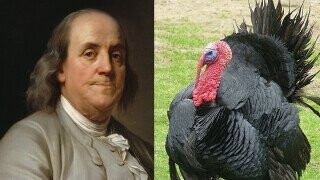
How the Turkey Almost Became America’s National Bird The story of the turkey’s near rise to national symbol begins in the early years of the United States, when leaders were choosing an emblem to represent the new nation. Benjamin Franklin took a special interest in this decision, and in a private letter he shared his belief that the turkey deserved the role more than the bald eagle. He described the turkey as a native species that early settlers and Indigenous communities had long known, hunted, and observed in the wild. To him, this connection made the turkey a more fitting choice for a country trying to define its identity. At the time, wild turkeys roamed across much of North America and were recognized for their strength and surprising agility. They could run up to 20 miles per hour, fly short distances at high speed, and use more than 30 vocalizations to communicate. Settlers often noted how quickly turkeys could react to danger, spotting movement from far away and working together in groups to stay safe. These behaviors shaped Franklin’s view that the turkey represented determination and awareness. The bald eagle, however, carried strong visual appeal and a dramatic silhouette. When the Continental Congress reviewed design proposals in 1782, the eagle appeared on several versions of the Great Seal. Despite Franklin’s private objections, the eagle’s sharp outline and widespread recognition won over the committee. The turkey simply did not gain enough support. Although the turkey did not become the national bird, its place in American life never faded. It continued to be central to farming, hunting traditions, and eventually Thanksgiving celebrations. The story of its near selection remains a unique moment in early American decision making, illustrating how even everyday wildlife played a role in shaping national symbols. #USHistory #History #America #USA #News #USNews #Thanksgiving

1776 Patriot

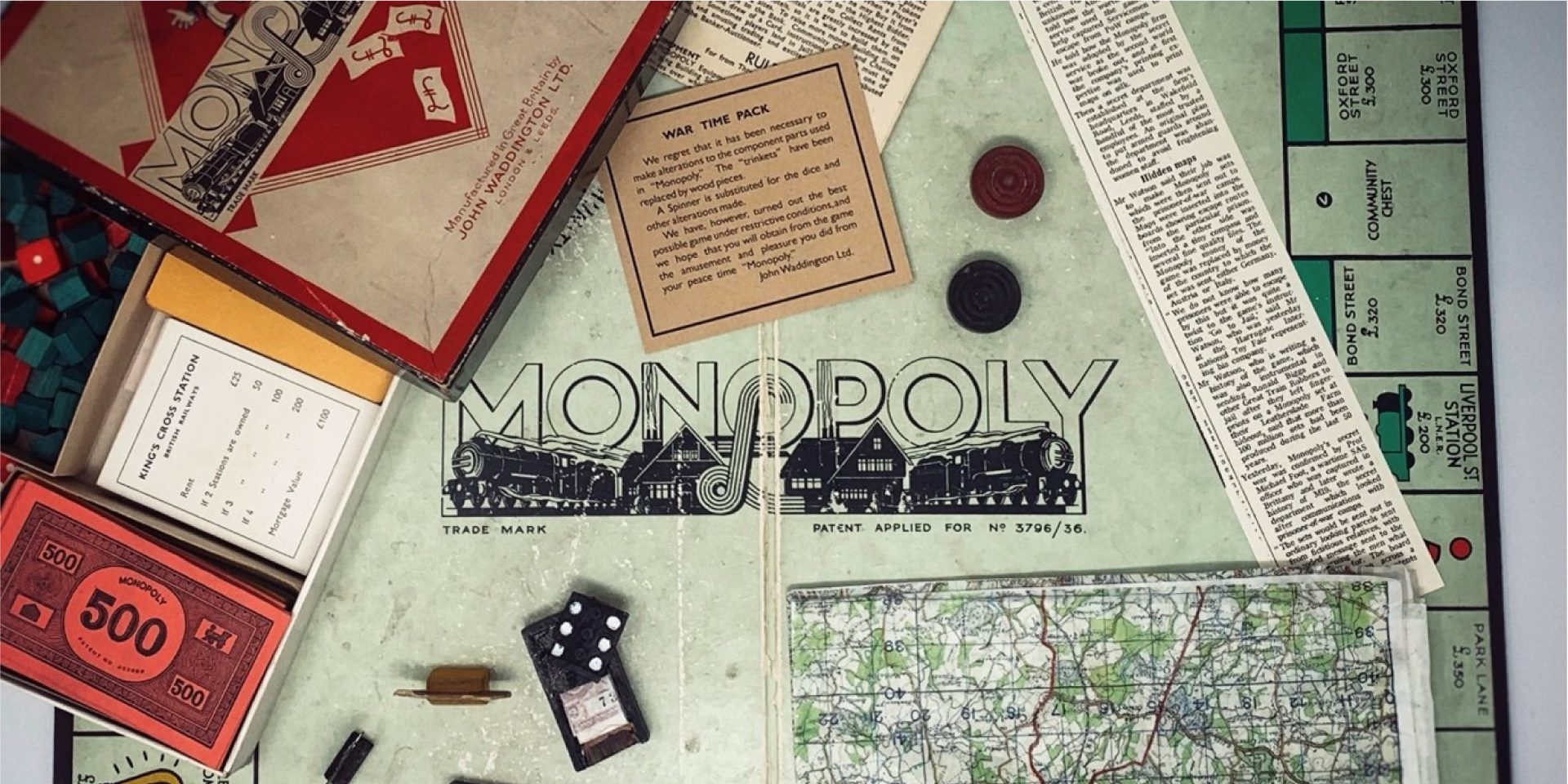
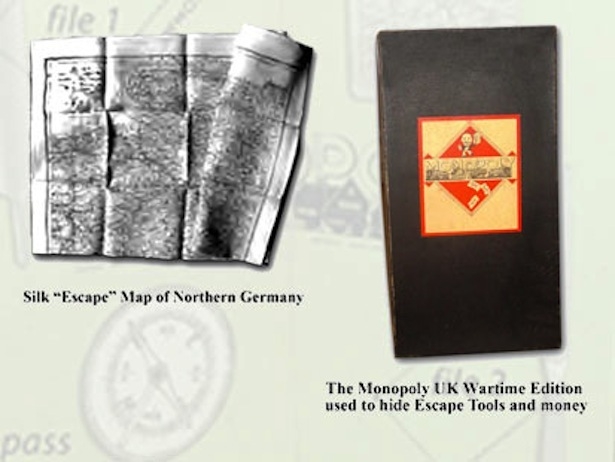
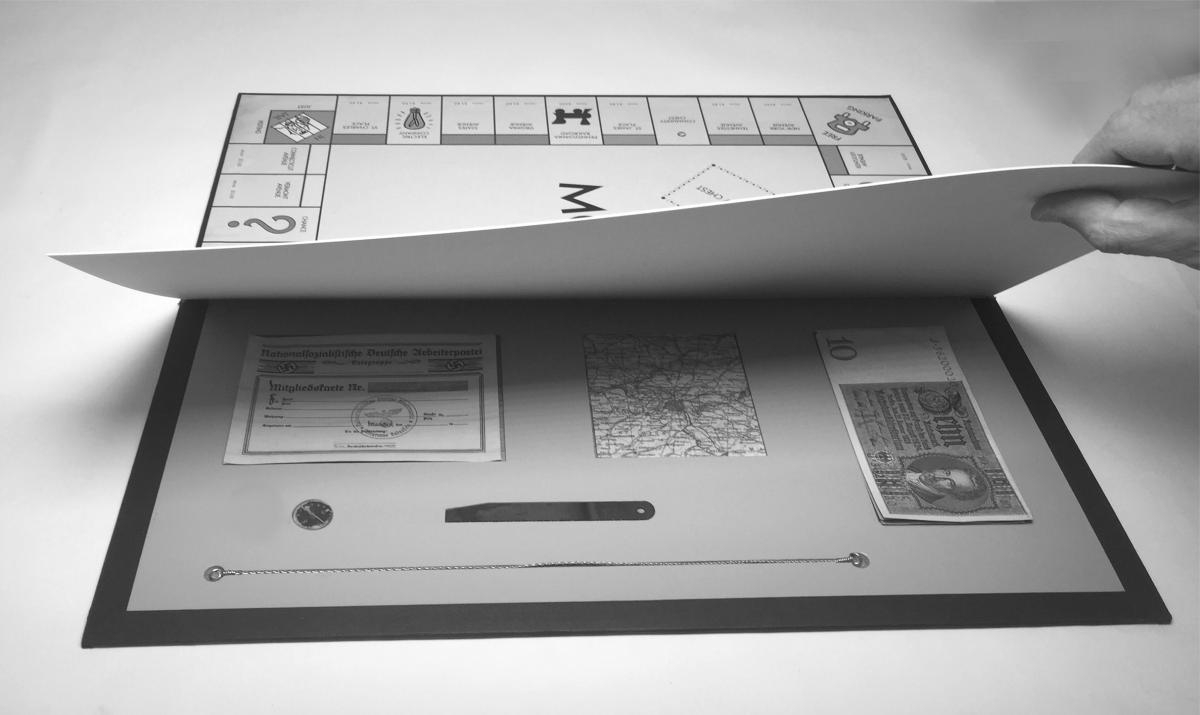
Monopoly: The Secret Weapon to Free American POWs During World War II, the familiar board game Monopoly became an unlikely instrument of rescue for American prisoners of war held in German camps. British intelligence and the Red Cross sought creative ways to support Allied POWs, as traditional supply lines were risky and sending contraband was nearly impossible. Monopoly provided the perfect cover. Special editions of the game were produced with hidden compartments containing maps, compasses, real money, and tools for escape. Each game was carefully packed into a wooden box that appeared normal to German inspectors, ensuring the deception remained effective and convincing. More than 3,000 Monopoly sets were shipped to POW camps across Europe, many specifically for American soldiers. At the time, there were roughly 130,000 American POWs in German camps. The dice were hollowed to hold tiny maps, the money stacks concealed real cash, and playing pieces hid small compasses or files. Some sets even contained silk maps that could be folded into pocket-size sheets. In one case, an American officer used a Monopoly board to escape from a high-security camp, traveling more than 30 miles using the concealed tools, evading German patrols along the way and navigating treacherous terrain under cover of darkness. German guards reportedly never noticed anything unusual. Of the 3,000 sets sent, at least 30 escapes were directly aided by the hidden items, and dozens more prisoners used the tools to aid others or evade capture. By 1944, Allied intelligence refined production to include updated maps reflecting shifting battlefronts. Today, some wartime Monopoly sets are preserved in museums, including the Imperial War Museum in London. A simple family game became crucial in saving lives, transforming clever ingenuity into a daring tactical advantage that outwitted captors and inspired hope in desperate circumstances. #Monopoly #BoardGames #USHistory #Military #America #WWII

1776 Patriot

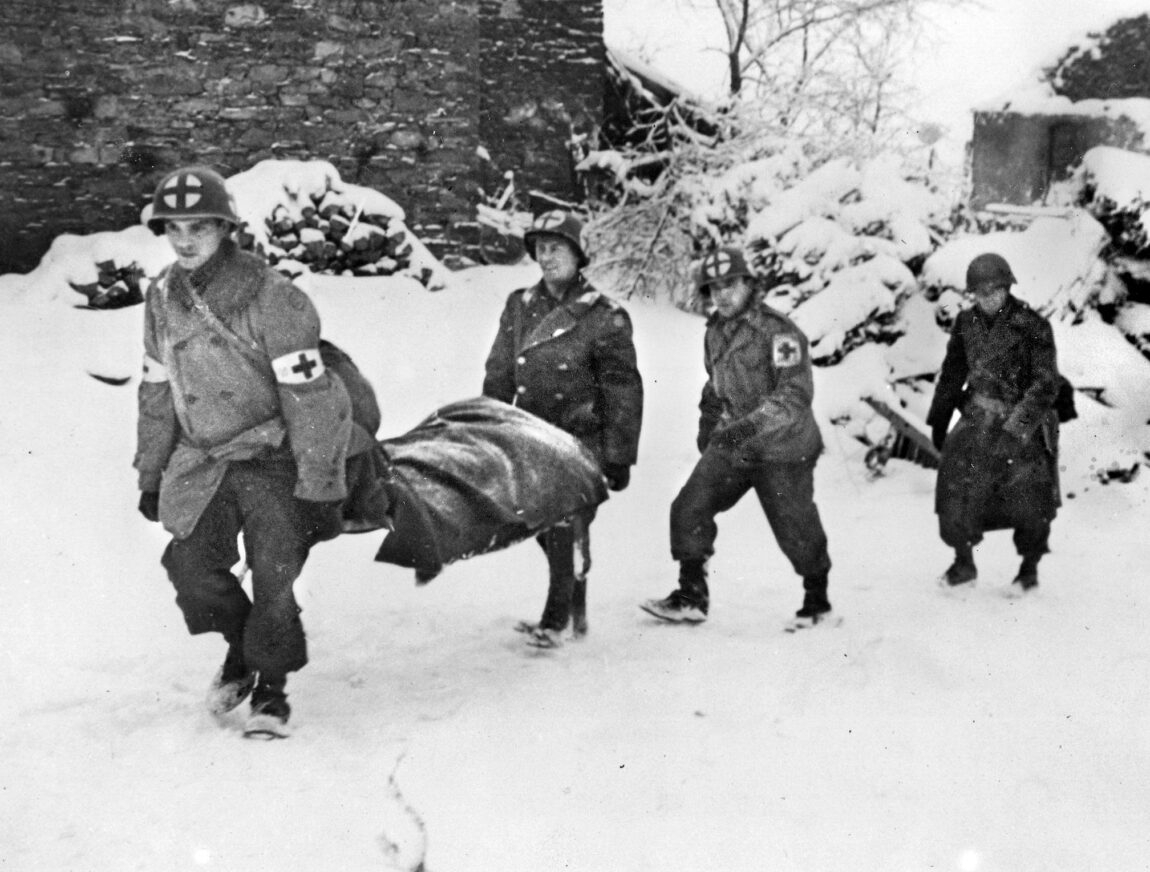
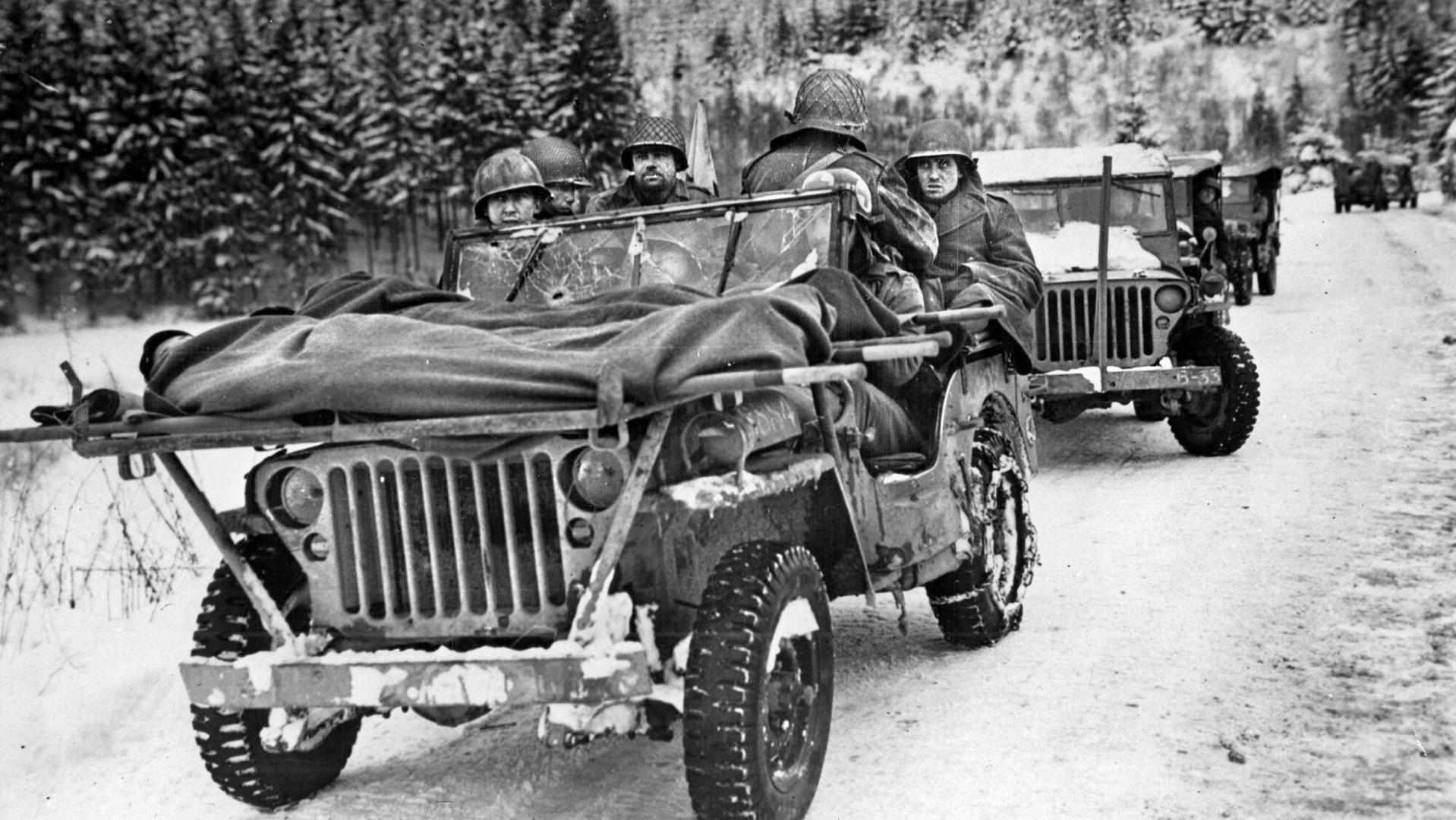
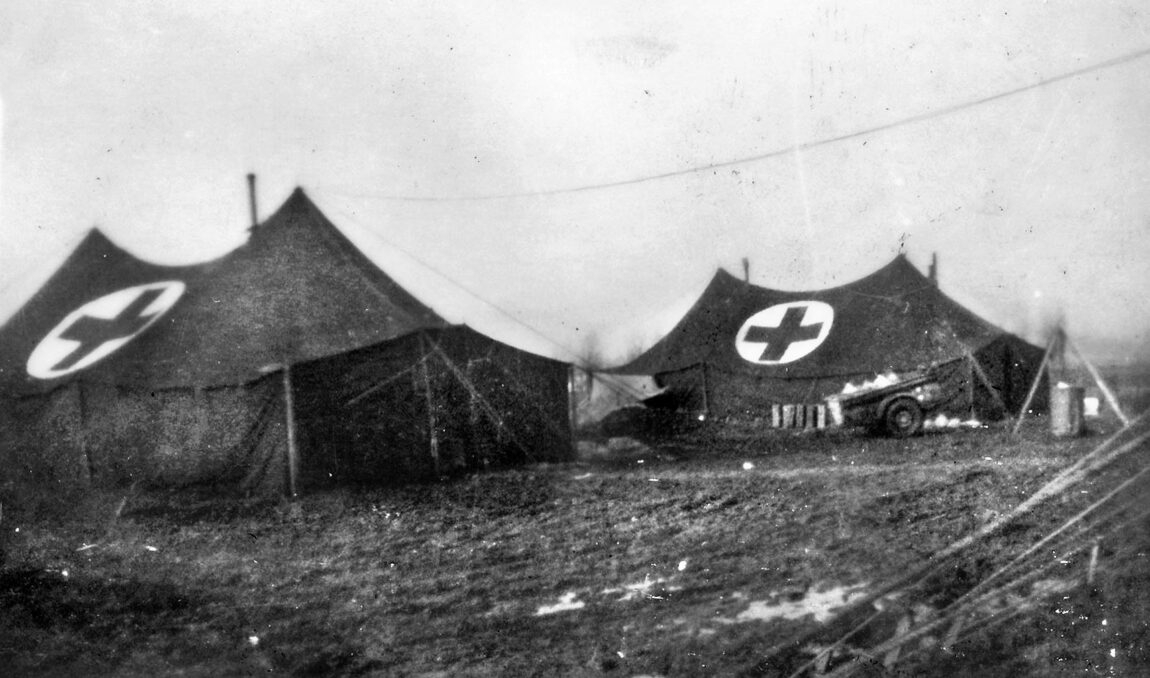
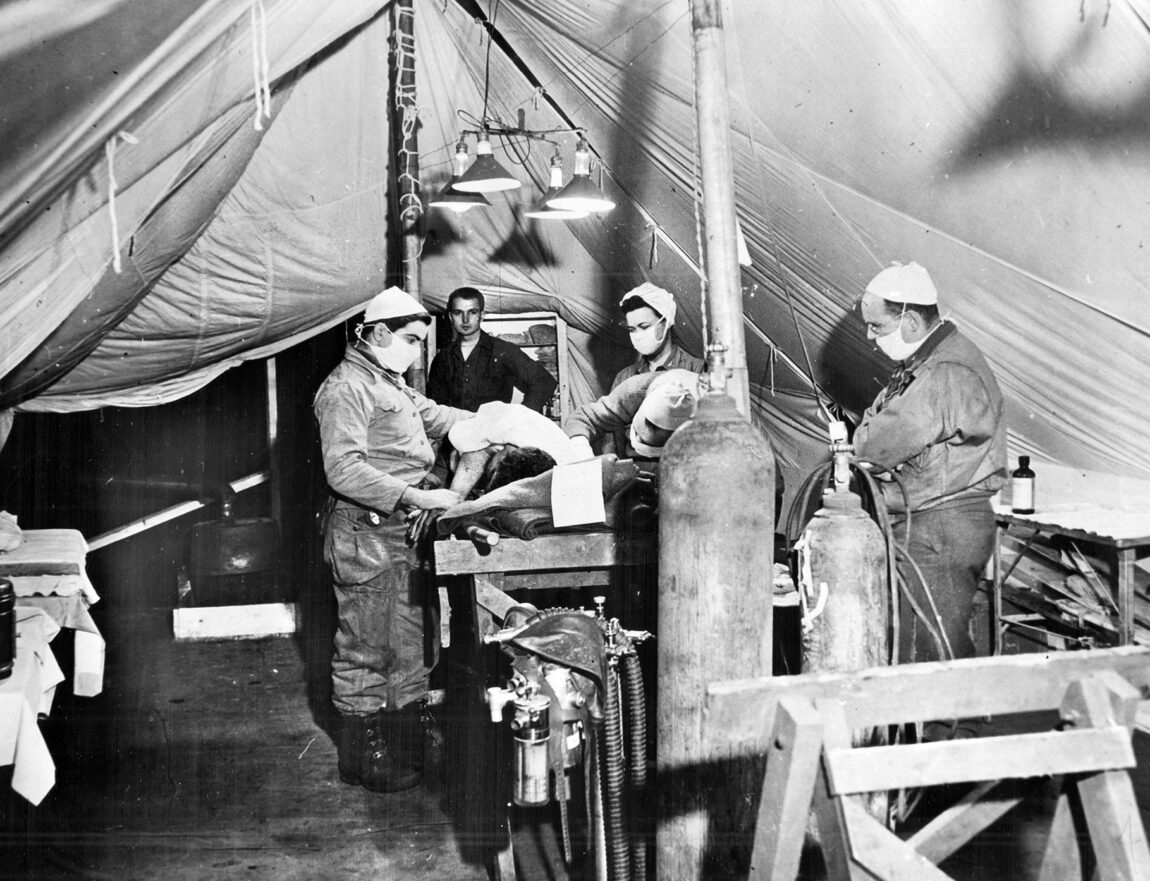
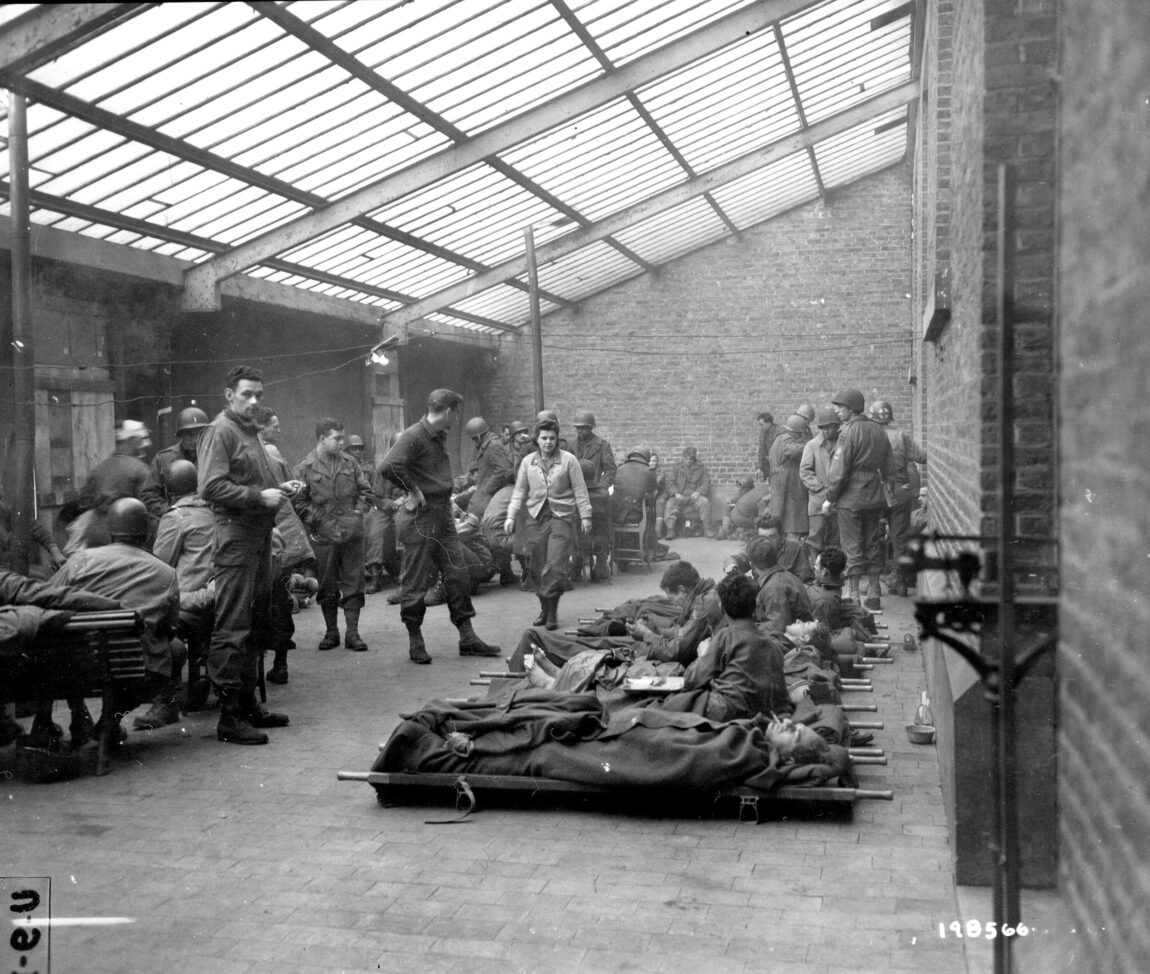
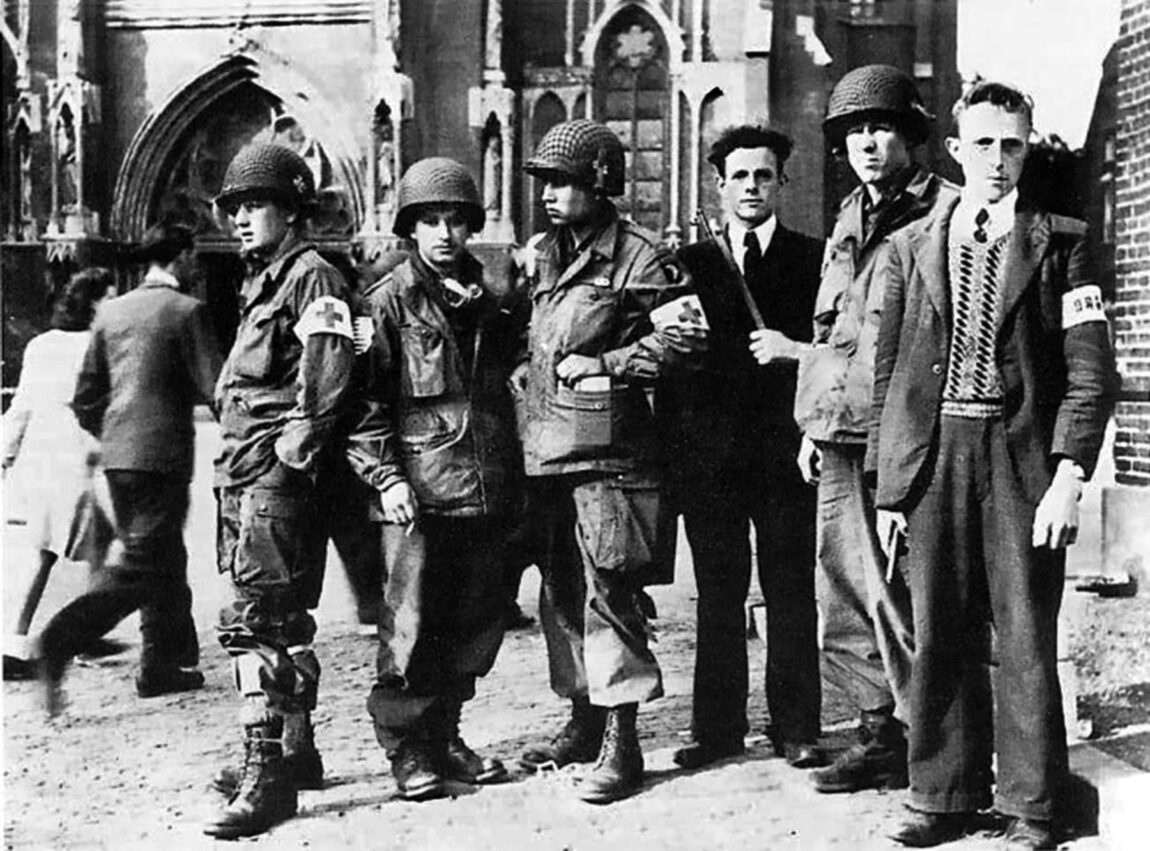
Bulge Healers: Medics at the Battle of the Bulge From December 16, 1944, to January 25, 1945, the Battle of the Bulge tested American forces like never before. Nearly 600,000 U.S. soldiers faced a surprise German attack of about 200,000 troops in the frozen Ardennes Forest of Belgium and Luxembourg. Temperatures fell to minus 13 degrees Fahrenheit, almost 30 degrees below normal, turning medical care into a life-or-death fight. Field hospitals were set up in barns, churches, abandoned homes, and caves with little heat, frozen water, and scarce supplies. Medics treated gunshot wounds, shrapnel injuries, frostbite, trench foot, and infections while shells exploded nearby. Thousands froze or succumbed to hypothermia before reaching care. The U.S. Army deployed roughly one medic for every ten soldiers, demanding courage and ingenuity. Medics melted snow for water, improvised steam tents, used hot water bottles and heated blankets, and operated with minimal anesthesia. Blood plasma and morphine were critical; over 15 million plasma units and hundreds of thousands of morphine syrettes were stockpiled. Surgical teams performed amputations, chest, and abdominal operations in freezing, dimly lit rooms. Wounded soldiers were carried across icy forests on sleds, stretchers, horse-drawn carts, and Jeeps, sometimes taking hours or days. American medics treated tens of thousands of U.S. troops and roughly 12,000 German soldiers. Outnumbered and poorly supplied, German medics struggled even more. Survival rates for those reaching field hospitals exceeded 90 percent. By battle’s end, U.S. forces suffered over 80,000 casualties, including 19,000 killed and 47,500 wounded, while German losses neared 120,000. The courage and skill of medics saved countless lives and proved decisive in one of World War II’s harshest winter campaigns. #BattleOfTheBulge #MedicineInWW2 #USHistory #History #America #USA
1776 Patriot

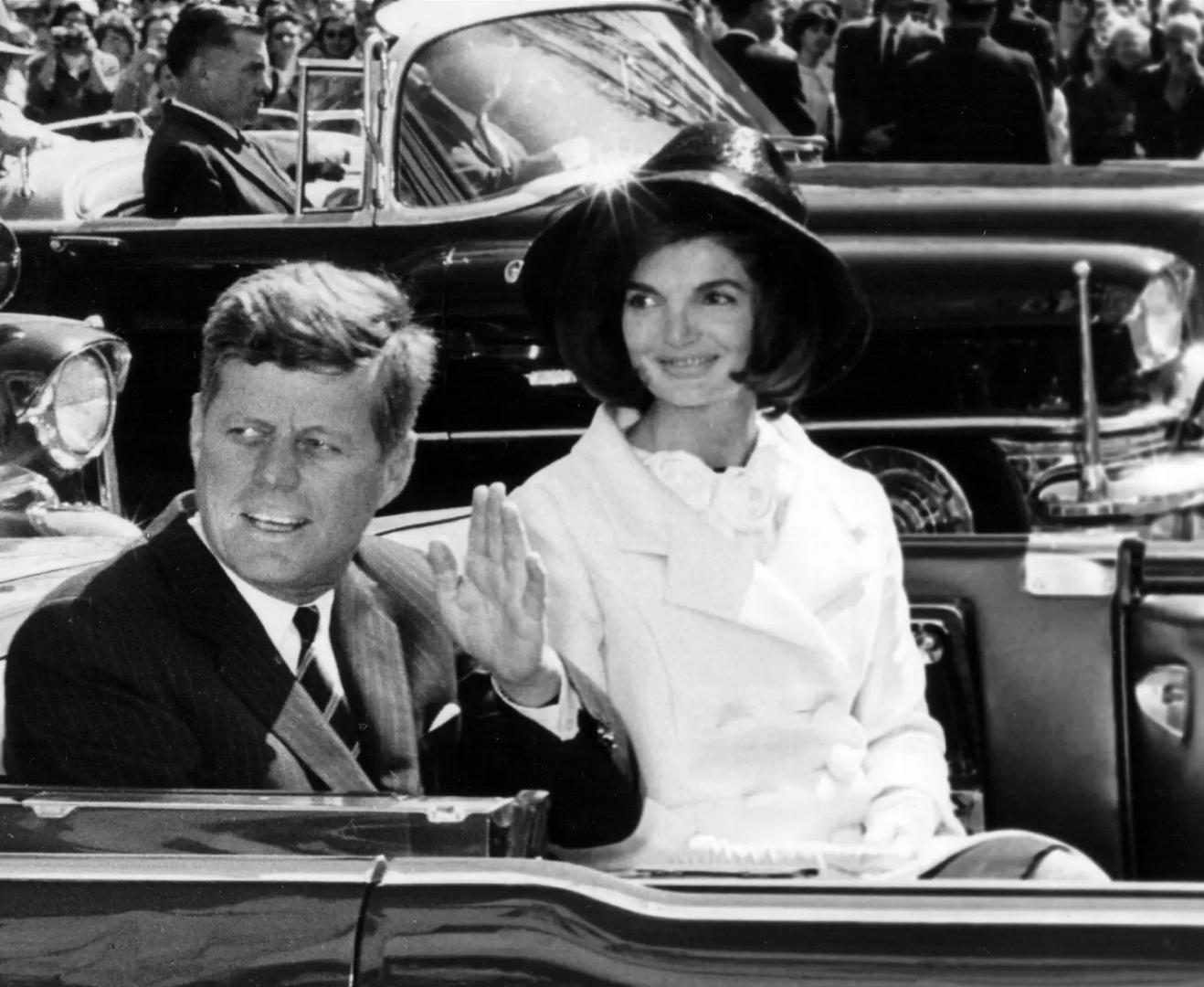
John F. Kennedy: The President with the Highest All Time Approval John F. Kennedy, the thirty fifth president of the United States, is still viewed as one of the most respected leaders in modern American history. Throughout his presidency, his approval rating stayed near 70 percent, which is one of the highest averages ever recorded. His standing is measured through the modern polling system that began in 1936, allowing his numbers to be compared across generations of presidents. Based on this long record of surveys, Kennedy holds the highest average approval of any president in the polling era. Kennedy’s popularity came from his personality, message, and calm leadership during major challenges. His inaugural address, urging Americans to serve their country, became one of the most memorable speeches in US history. During the Cuban Missile Crisis in 1962, he guided the country through thirteen days of extreme tension, preventing nuclear conflict and earning wide respect. His support for early civil rights efforts and his commitment to the space program added to the sense that he was leading the nation into a new and ambitious era. Surveys taken long after his death show how strong his legacy remains. One major poll found that 85 percent of Americans approved of his performance when looking back on his presidency. Even during difficult periods, such as the aftermath of the Bay of Pigs invasion, Kennedy kept approval ratings above 70 percent, something few presidents have matched. His calm approach, clear communication, and ability to connect with the public helped him maintain support across states, age groups, and political backgrounds. Kennedy’s consistently high approval demonstrates how trust and confidence from the public shape a president’s place in history. Although he served less than one full term, his leadership during world crises and his appeal to national unity left a lasting mark. #Politics #USA #History #USHistory #America

MarineWife

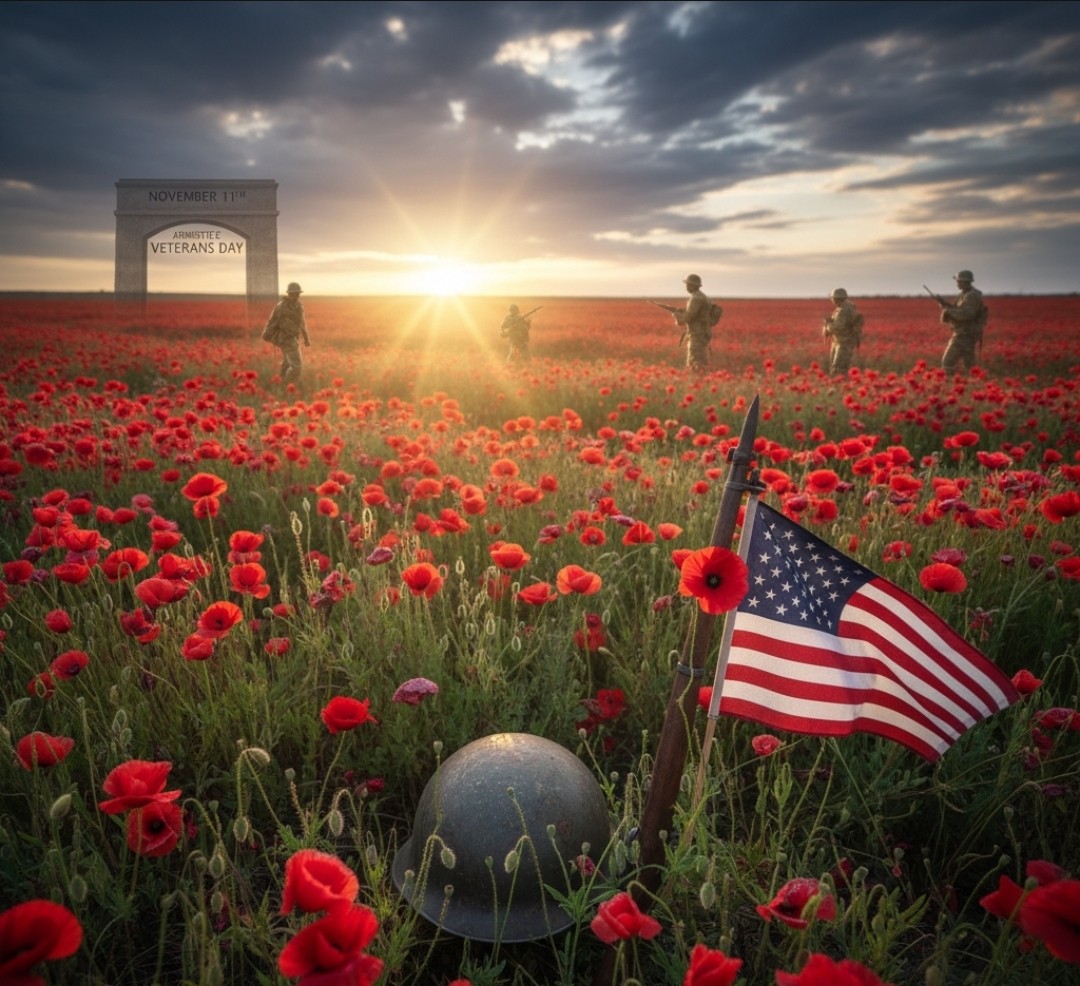
From Solemn Silence to Honored Service ​The breathtaking silence of the first Armistice Day—that single moment when the world paused to mourn its dead and cherish a peace that was desperately hoped to be eternal—is the sacred root of Veterans Day. ​Yet, tragically, the silence was broken again by the thunder of World War II and the subsequent Korean War. The terrible realization that the Great War had not been "the war to end all wars" necessitated an evolution of the day's purpose. Thus, in the United States, in 1954, Armistice Day was officially renamed Veterans Day. ​The focus shifted from commemorating the end of one specific, devastating conflict and honoring its veterans, to an expansive, enduring tribute that honors all American veterans of all wars and all periods—in wartime and peace. It broadened the scope of gratitude, transforming the day from a memorial of a single cessation of hostilities into a profound, year-after-year salute to the courage, patriotism, and willingness to serve that defines every American who has worn the uniform. ​The date of November 11th remains, anchoring the modern celebration to that initial, hopeful moment of peace, ensuring that our honor for all who served is forever linked to the first, profound cessation of fighting—a silent promise kept, extended, and renewed for every generation of protectors.#VeteranPride #Veterans #ArmisticeDay #Nov11 #USHistory

1776 Patriot

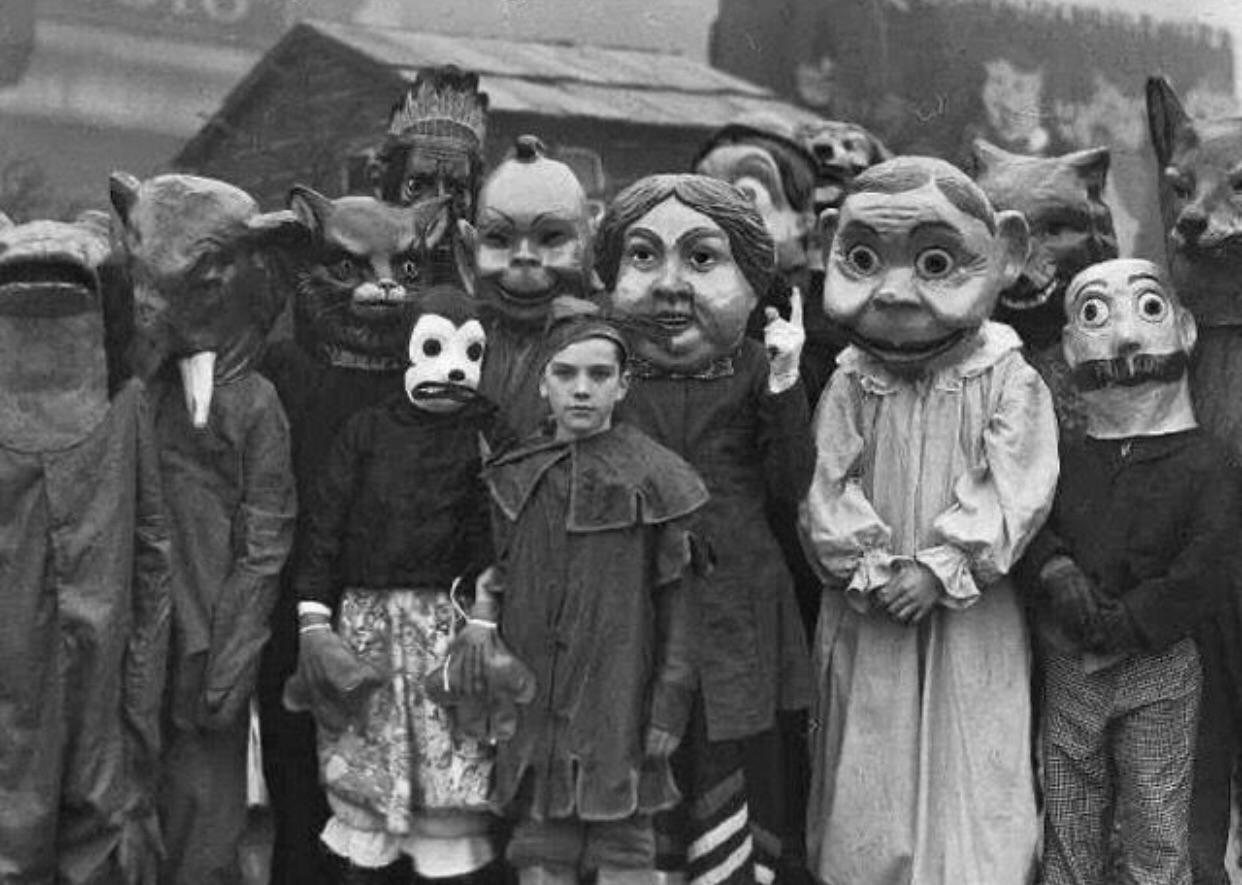
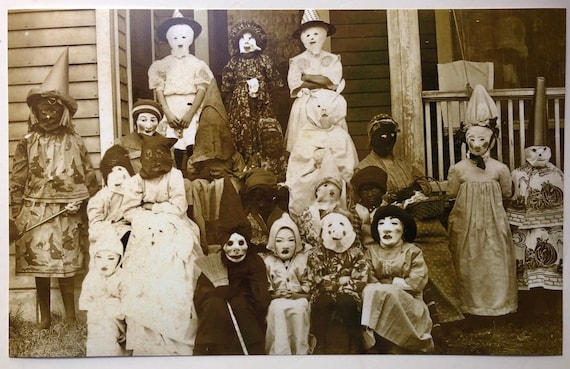
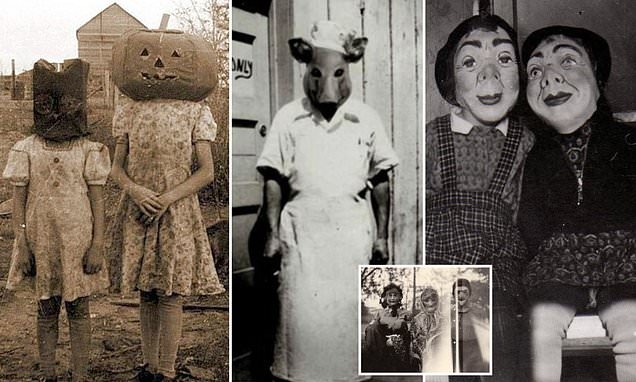
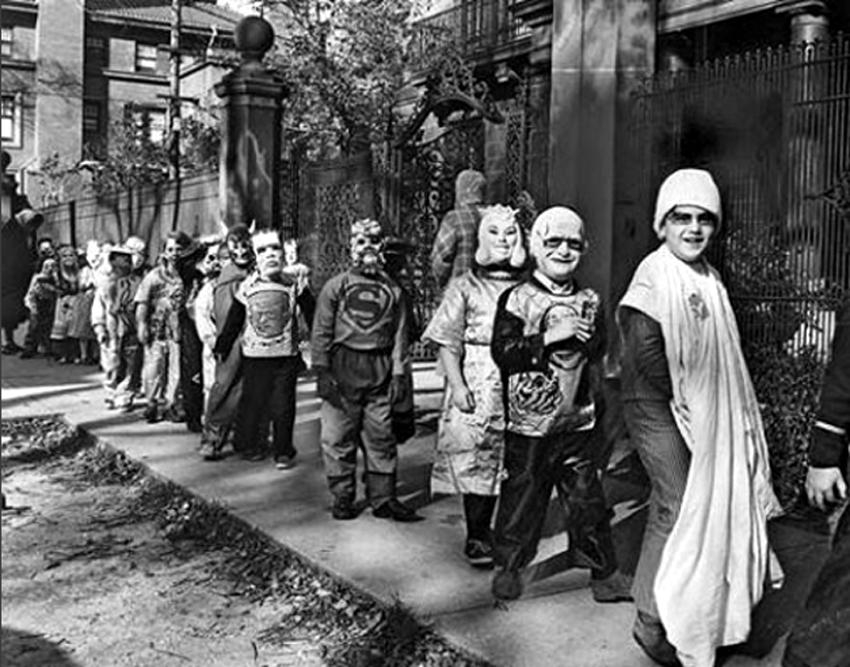
Red, White, and Boo! Halloween’s American History, Pictures, Interesting Facts

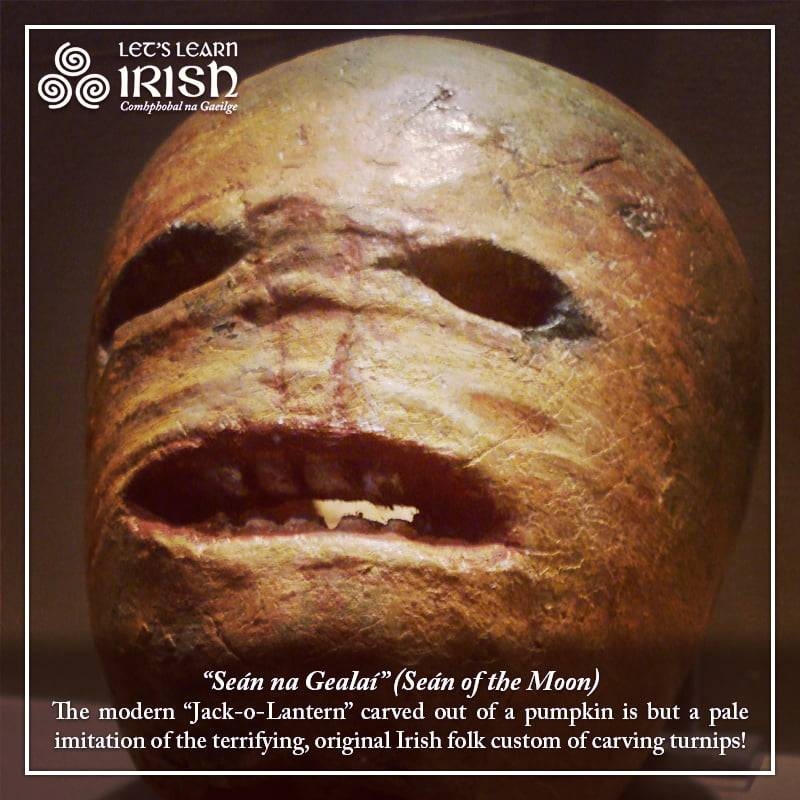
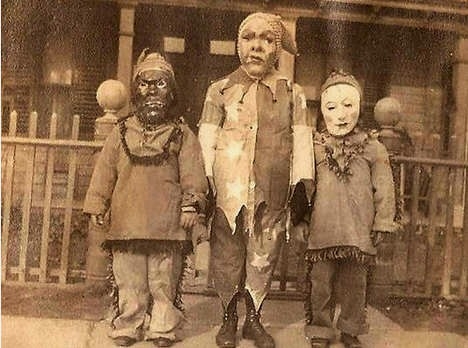
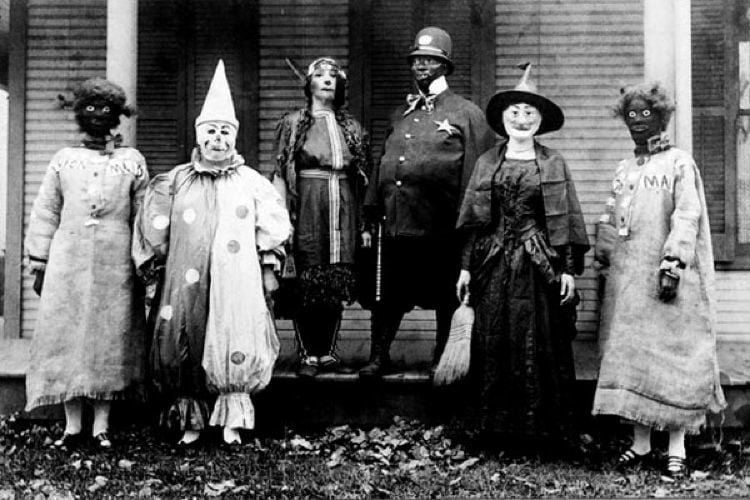
Halloween in America has evolved over centuries. It began over 2,000 years ago in Ireland with Samhain, a festival marking the end of the harvest. People believed the dead could visit the living, so they lit bonfires and wore costumes to ward off spirits. Masks and disguises hid them from wandering souls, and communities celebrated the season. In the 1800s, Irish and Scottish settlers brought these traditions to America. In the 1840s, Irish immigrants fleeing the Great Famine, a mass starvation caused by potato failures, preserved Halloween to maintain culture and community. They added pranks and public festivities to lift spirits. Carved turnips were placed outside to scare evil spirits, and in America pumpkins became easier to carve, creating the first jack-o-lanterns. By the 1870s, Halloween grew into a community event. Newspapers suggested parties, and neighbors played games like bobbing for apples, from Roman harvest festivals. Costume parties grew popular, with homemade disguises often scary or funny. Trick or treating began as children dressing up and performing songs, jokes, or skits for coins or treats. The first recorded trick or treating in the U.S. was in the 1920s. After World War Two, suburban neighborhoods expanded trick or treating. Candy companies sold Halloween candy, including candy corn, first made in the 1880s. Shaped like corn kernels to celebrate the harvest, it was easy to mass produce. Glow-in-the-dark costumes, plastic pumpkins, and decorations appeared in the 1950s, turning Halloween into a family-centered holiday. Today, Halloween blends Celtic traditions with American flair. Haunted houses, pumpkin patches, costume contests, and candy sales are everywhere. Over 600 million pounds of candy are sold annually, and Americans spend nearly 10 billion dollars, making Halloween one of the most celebrated and beloved traditions in the country. #Halloween #TrickOrTreat #USHistory #America #USA #History
Red, White, and Boo! Halloween’s American History, Pictures, Interesting FactsRed, White, and Boo! Halloween’s American History, Pictures, Interesting FactsRed, White, and Boo! Halloween’s American History, Pictures, Interesting FactsRed, White, and Boo! Halloween’s American History, Pictures, Interesting FactsRed, White, and Boo! Halloween’s American History, Pictures, Interesting FactsRed, White, and Boo! Halloween’s American History, Pictures, Interesting FactsRed, White, and Boo! Halloween’s American History, Pictures, Interesting Facts
1776 Patriot

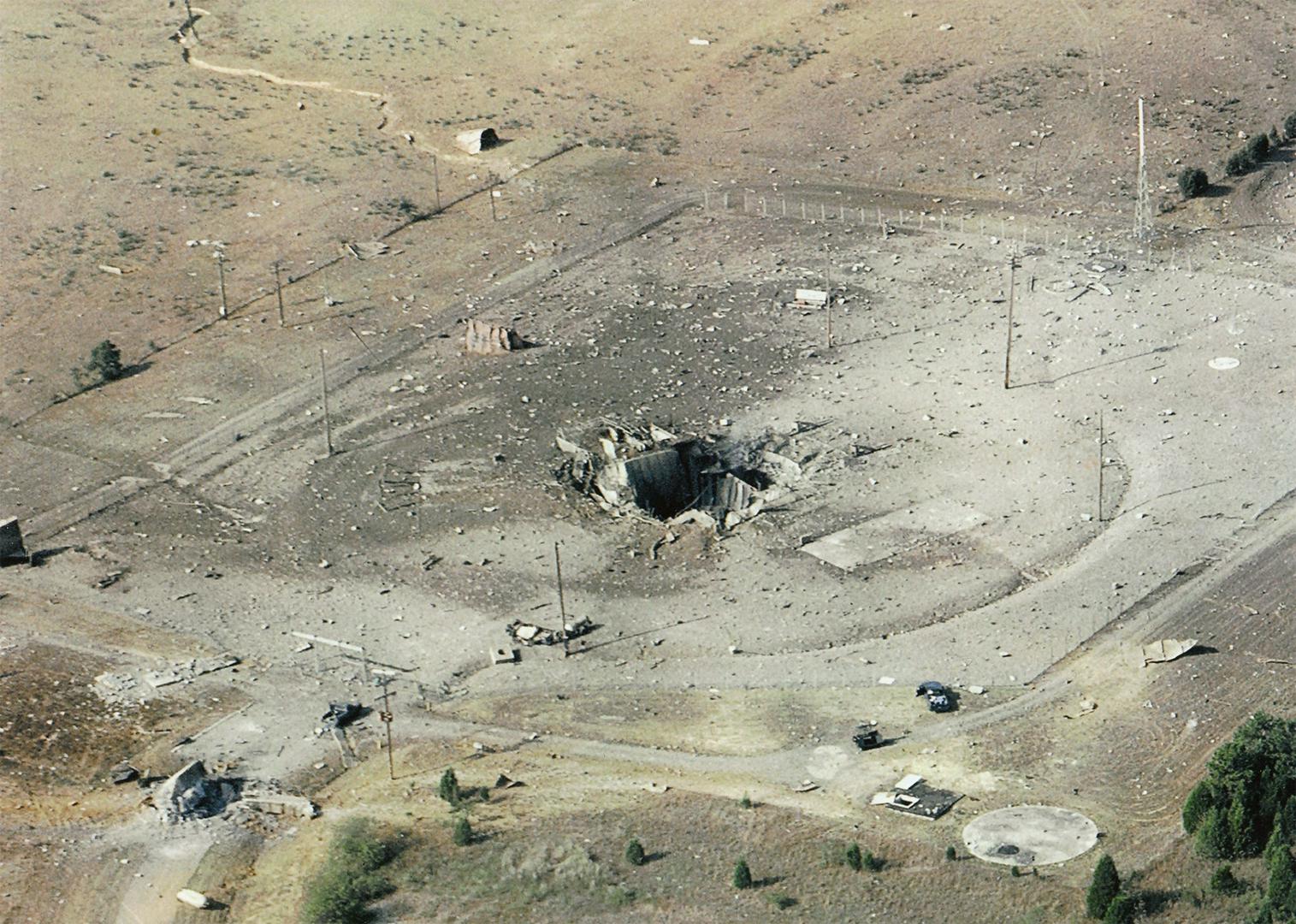
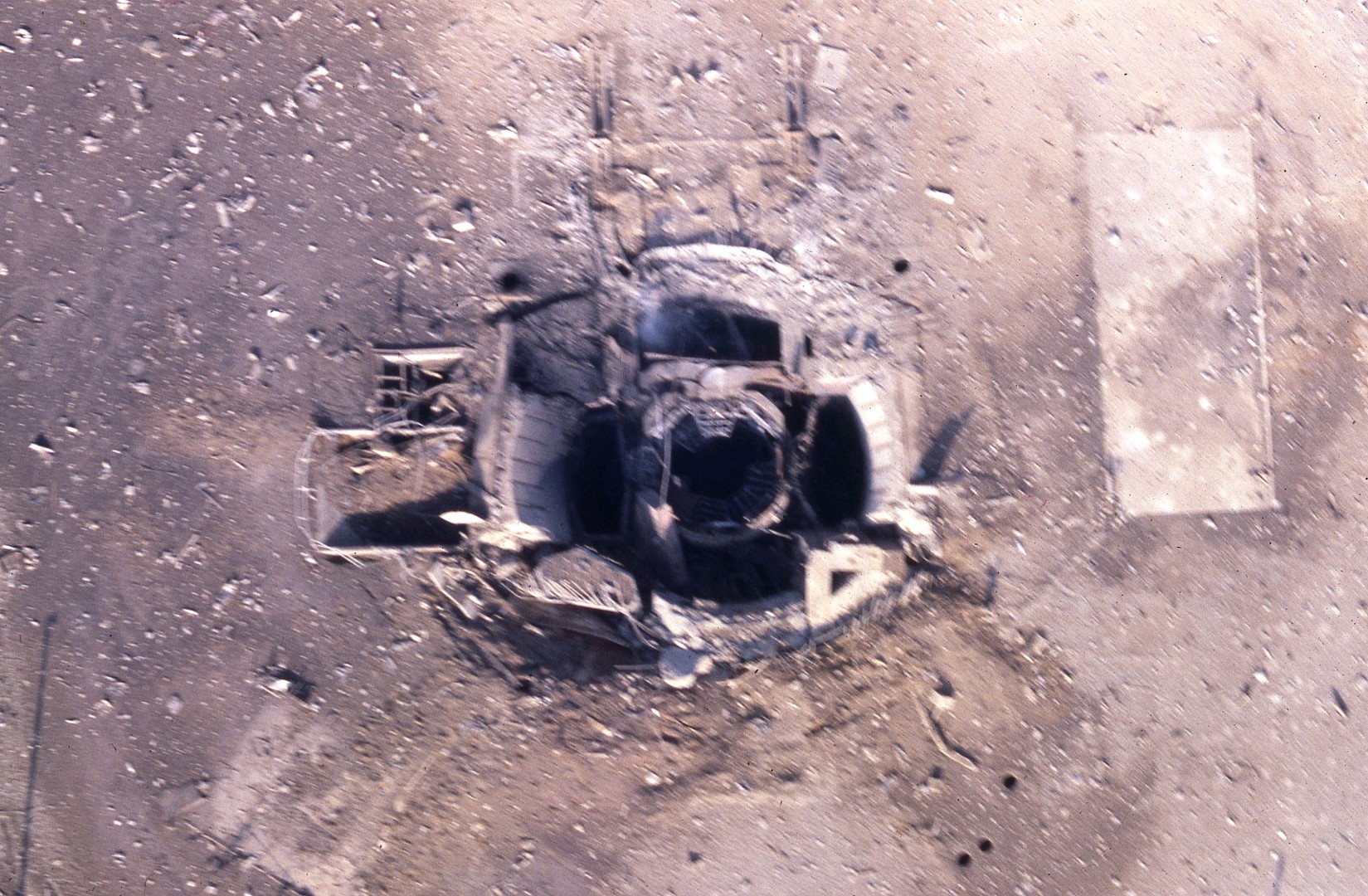
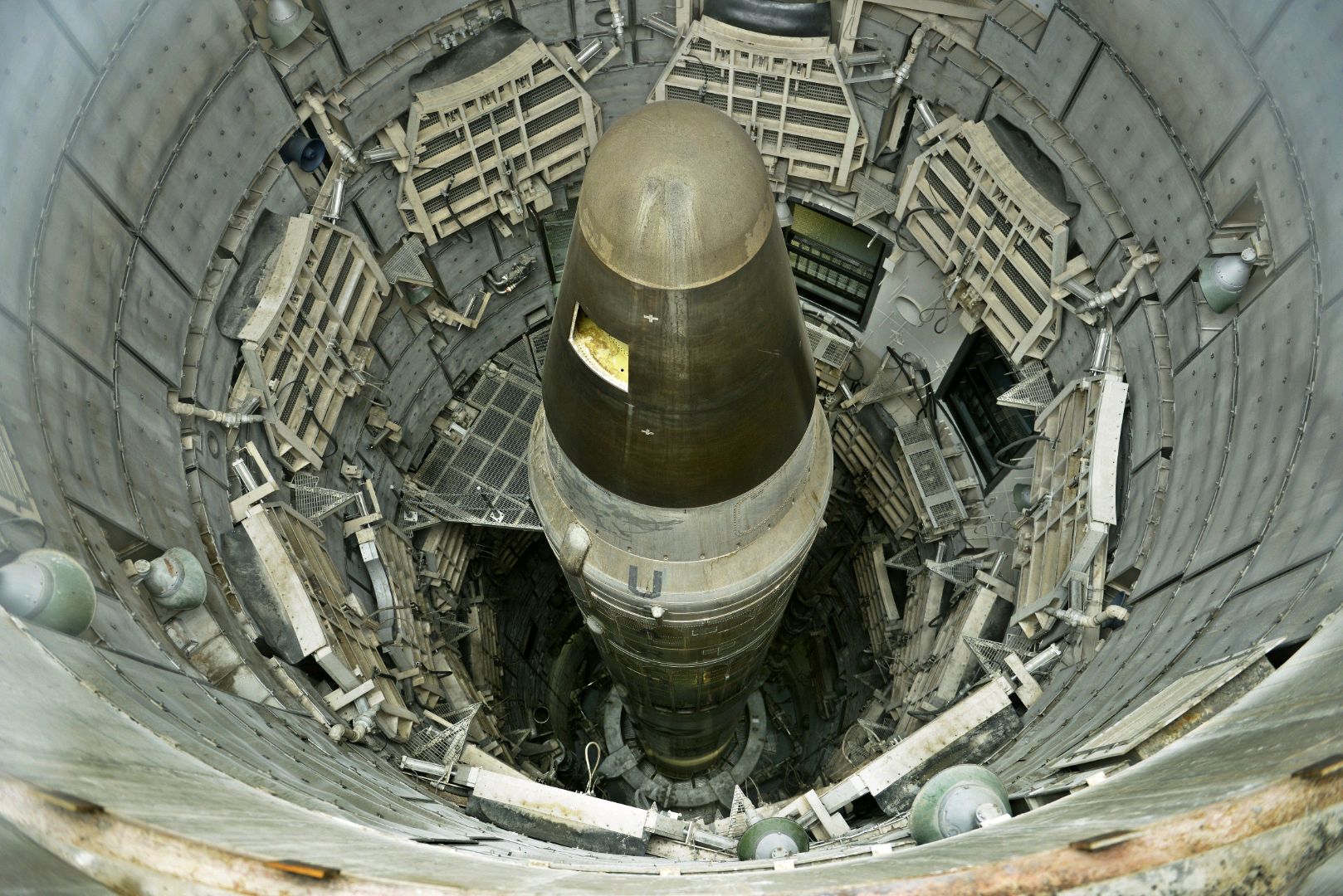
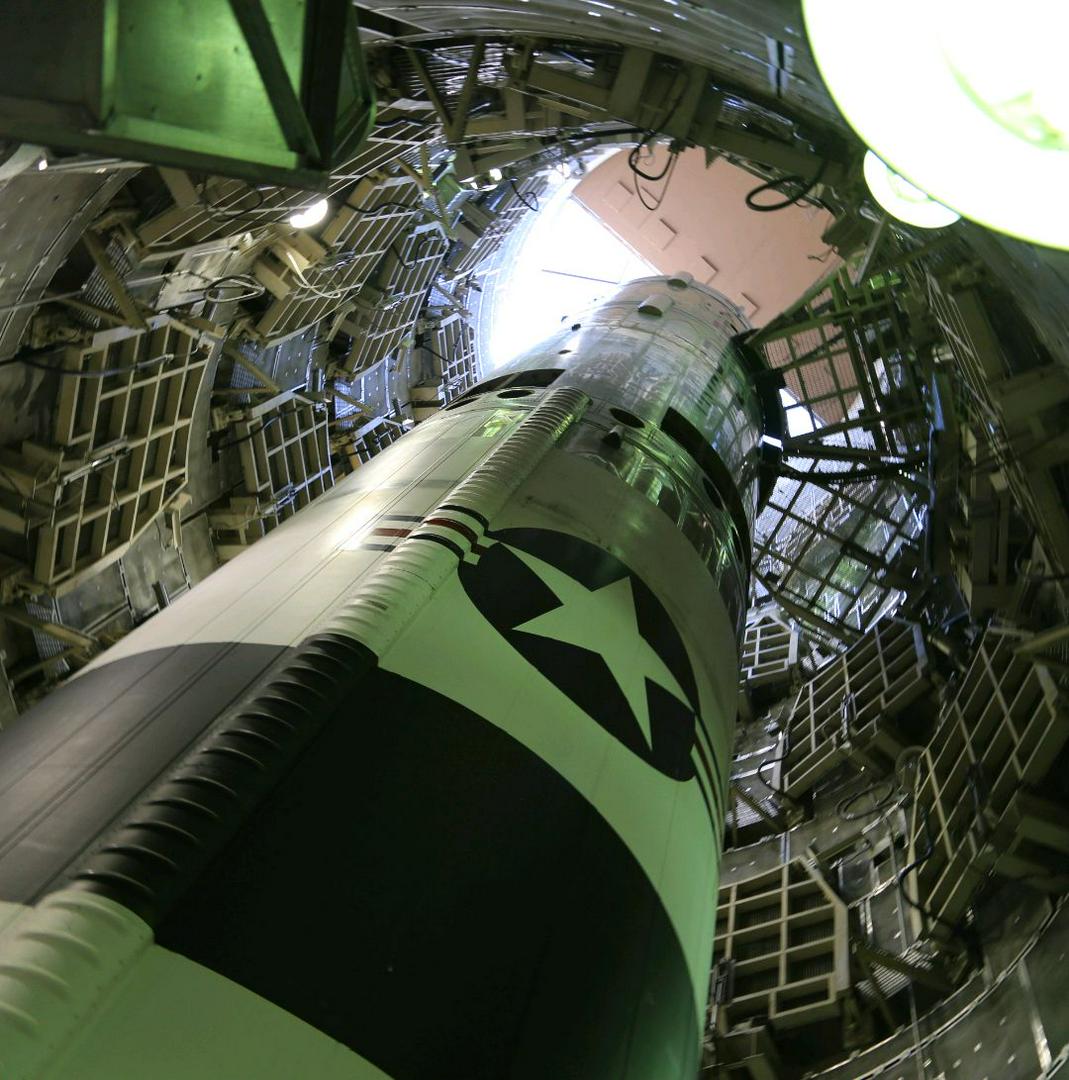
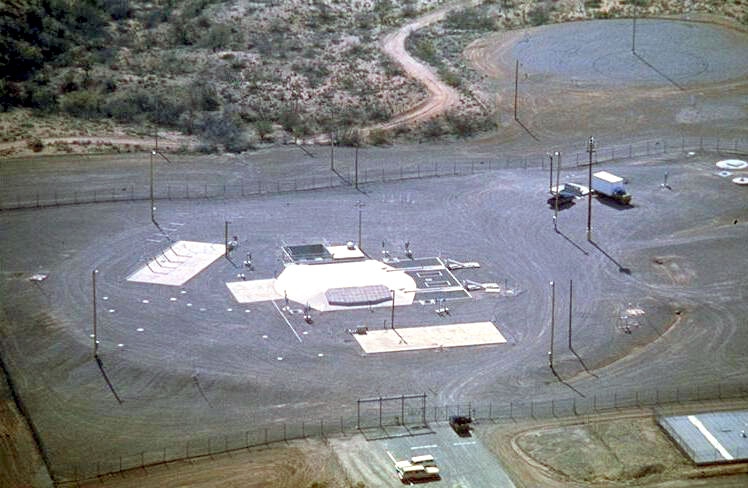
Arkansas ICBM Silo Accident: When A Titan II Almost Went Nuclear

On September 18, 1980, a routine maintenance operation at Titan II Missile Complex 374-7 near Damascus, Arkansas, escalated into one of the most serious nuclear accidents in U.S. history. Airmen were performing detailed maintenance on the missile, which stood 103 feet tall, weighed 33 tons, and housed a W-53 thermonuclear warhead capable of 9 megatons, enough to destroy an entire city. During the operation, an airman accidentally dropped an 8-pound socket wrench. The tool fell roughly 80 feet, bounced off a steel thrust mount, and punctured the missile's first-stage fuel tank, releasing Aerozine 50, a highly flammable liquid propellant that reacts instantly with dinitrogen tetroxide. The silo, buried deep and designed to withstand conventional blasts, became a volatile trap. The Air Force evacuated personnel and began emergency containment. Crews attempted to pump water into the silo to dilute fuel vapors and vent pressure, but the chemical reaction persisted. Overnight, the situation worsened, and the combination of leaking fuel and oxidizer created a constant threat of fire or explosion. Around 3:00 a.m. on September 19, a massive explosion occurred, launching the 740-ton silo door hundreds of feet away. The missile and its W-53 warhead were ejected intact. Safety mechanisms prevented a nuclear detonation or radioactive release, but the blast destroyed the silo and nearby equipment. One airman was killed and 21 others injured, mostly emergency responders from Little Rock Air Force Base. Senior Airman David Livingston died, while others suffered burns, broken bones, and shock. The images of the blast became a stark symbol of the Titan II program's dangers. The Damascus accident revealed serious weaknesses in missile maintenance and emergency safety protocols. It showed how a minor error could almost trigger a nuclear catastrophe and prompted the Air Force to review safety measures across the missile program. #USHistory #History #USA #America #Missiles #Defense

Arkansas ICBM Silo Accident: When A Titan II Almost Went NuclearArkansas ICBM Silo Accident: When A Titan II Almost Went NuclearArkansas ICBM Silo Accident: When A Titan II Almost Went NuclearArkansas ICBM Silo Accident: When A Titan II Almost Went NuclearArkansas ICBM Silo Accident: When A Titan II Almost Went Nuclear
1776 Patriot

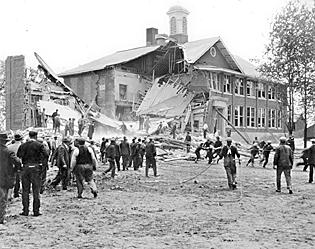
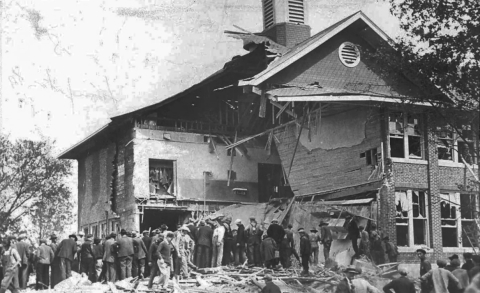
America's Worst School Tragedy: The Event that Stunned A Nation

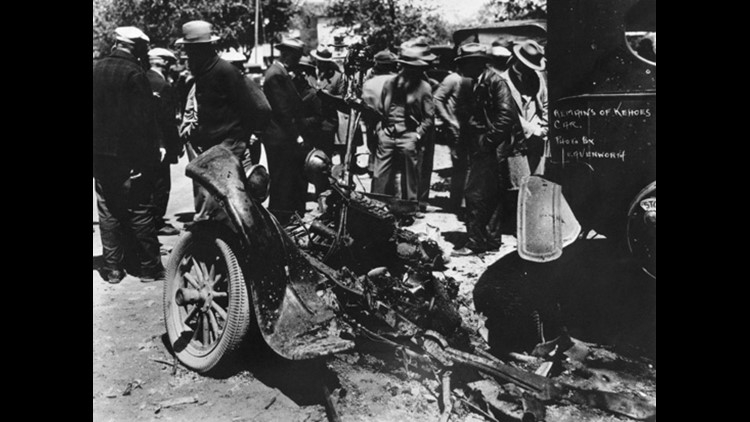
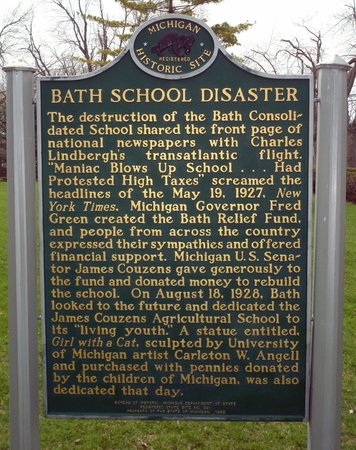
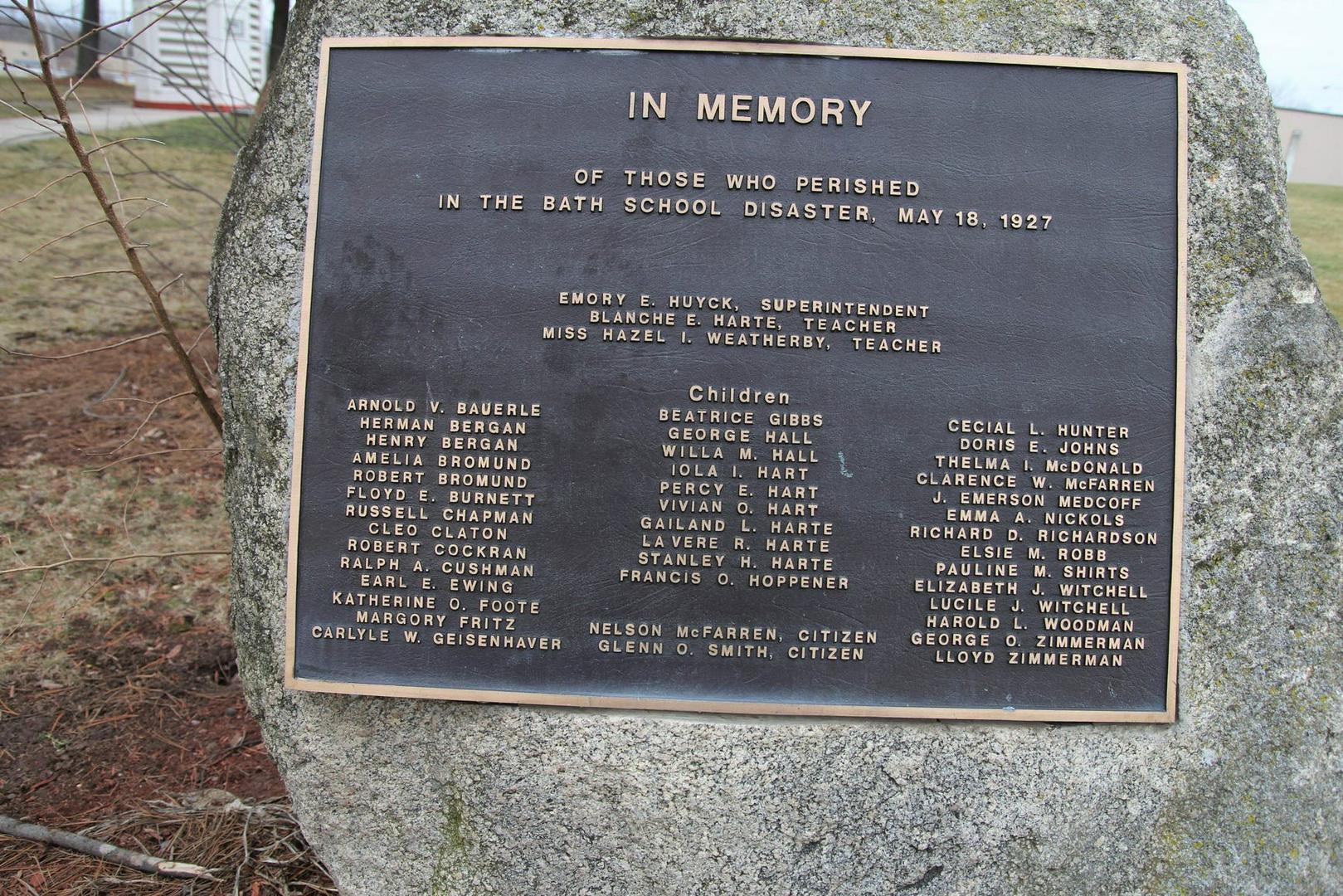
On May 18, 1927, Bath Township, Michigan, became the site of one of the worst school massacres in history. The man responsible was Andrew Kehoe, a fifty-five-year-old farmer, electrician, and school board treasurer. Known for his mechanical skill and stern temperament, Kehoe was respected publicly but feared privately for his temper and control. Years of financial struggle and anger over rising taxes used to fund the new Bath Consolidated School pushed him over the edge. When foreclosure loomed over his farm, his bitterness turned into a detailed plan for revenge against his own community. Over several months, Kehoe began purchasing explosives under the pretense of clearing land. He bought dynamite from local hardware stores and pyrotol, a World War I surplus explosive, from a government outlet that sold it cheaply to farmers. Using his school access, he planted hundreds of pounds of dynamite and pyrotol beneath floors and in the basement, wiring them to clocks, batteries, and detonators to explode during classes. At home, Kehoe set another trap. He wired his barn and house with explosives, killed his wife, and set the property on fire. As neighbors ran to help, the first blast tore through the Bath Consolidated School at 8:45 a.m. The north wing disintegrated in a roar heard for miles. Parents raced toward the school, shouting their children’s names through smoke and debris. While rescuers searched for survivors, Kehoe drove up in a truck loaded with dynamite, gasoline, and scrap metal. He called the superintendent over, then detonated it, killing himself, the superintendent, and several others. In the ruins, investigators found another three hundred pounds of unexploded dynamite wired beneath the school’s south wing. In total, thirty-eight children and six adults died, and more than fifty were injured. The Bath School disaster remains one of the deadliest school attacks in American history. #History #USHistory #America #USA #HistoryNerd #Michigan
America's Worst School Tragedy: The Event that Stunned A NationAmerica's Worst School Tragedy: The Event that Stunned A NationAmerica's Worst School Tragedy: The Event that Stunned A NationAmerica's Worst School Tragedy: The Event that Stunned A NationAmerica's Worst School Tragedy: The Event that Stunned A Nation
1776 Patriot

The Gallows Await: Lincoln’s Conspirators Meet Their Fate

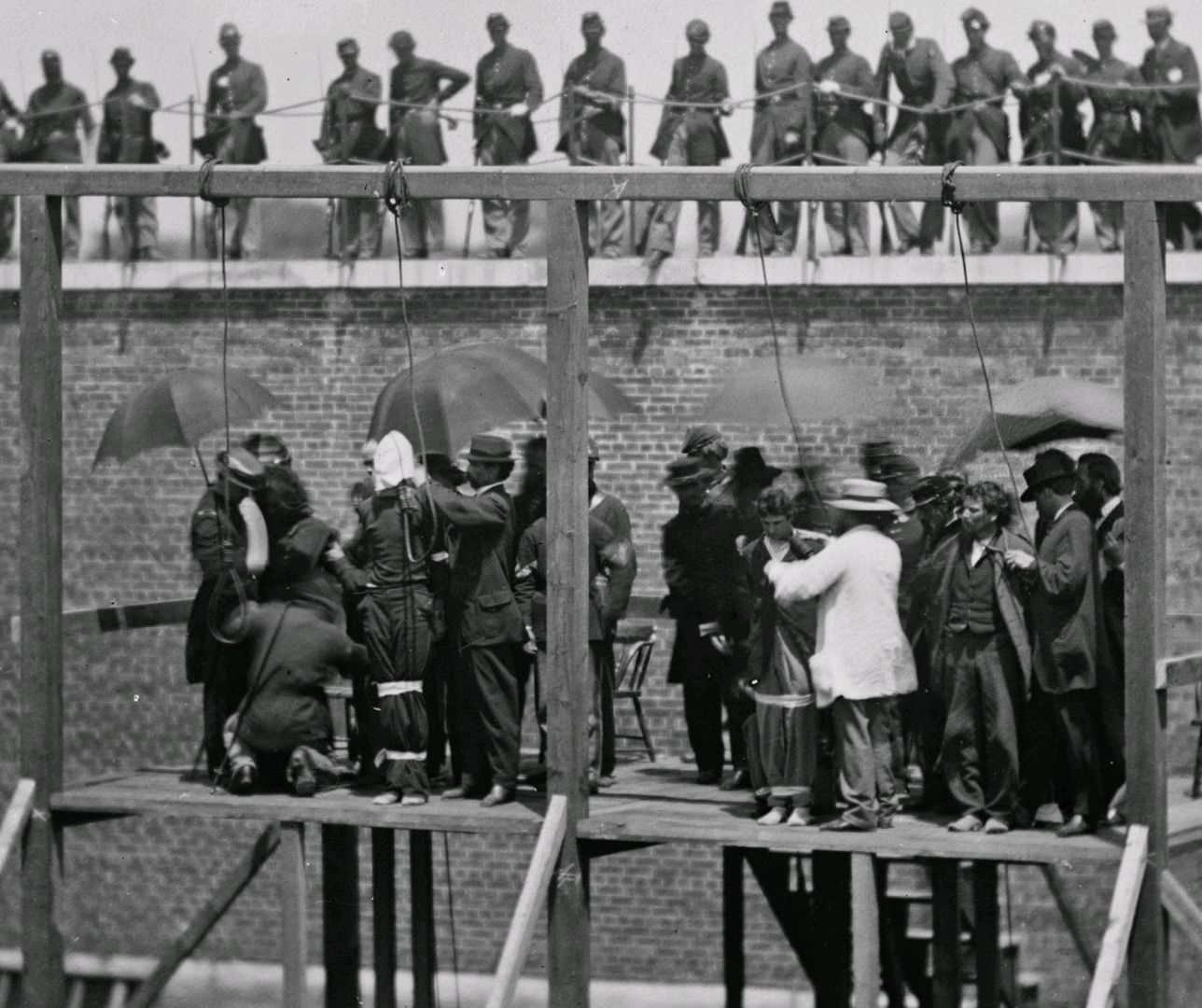
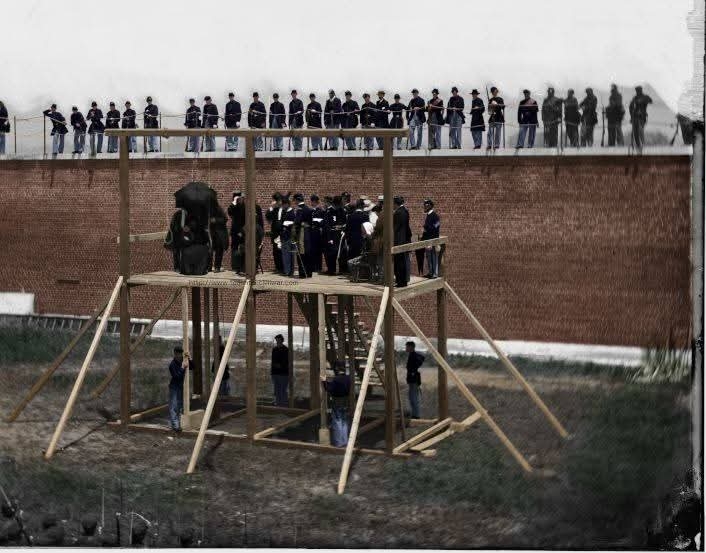
After President Abraham Lincoln was shot on April 14, 1865, a military commission tried eight conspirators, including Mary Surratt, Lewis Powell, David Herold, and George Atzerodt. The trial began on May 9, 1865, in Washington, D.C., under strict guard. Witnesses described Booth’s movements in Ford’s Theatre and the coordination among the conspirators. Letters and receipts confirmed the plot. Mary Surratt’s boarding house had hosted secret meetings, and testimony revealed she delivered messages and supplied resources. Powell’s attack on Secretary Seward and Atzerodt’s failed attempt on Vice President Johnson were recounted in shocking detail. After weeks of testimony, the commission sentenced Surratt, Powell, Herold, and Atzerodt to death by hanging. The courtroom had been tense, every word measured. On July 7, 1865, the executions took place at the Washington Arsenal. Each prisoner was led individually to the gallows in the early morning. Soldiers kept strict silence while physicians inspected the ropes and knots. Mary Surratt, calm but solemn, stepped onto the platform first, becoming the first woman executed by the United States federal government. Powell followed, appearing tense but composed. Herold trembled and hesitated before stepping to the edge, while Atzerodt’s face was pale, lips tight. The wind stirred lightly, carrying an eerie quiet. Every step onto the platform seemed to stretch time. The hangings proceeded with precise military procedure, each drop ending in immediate death. Officers, physicians, and select journalists observed, noting the differing reactions of the condemned. Powell held himself stiffly until the last second, Herold shook visibly, and Surratt maintained a haunting dignity. Atzerodt’s fear was clear as he fell. The morning was silent except for the finality of the moments, leaving a lasting impression. The echoes of the trap lingered, a grim reminder of the cost of conspiracy. #USHistory #History #America #Lincoln #EarlyAmerica

The Gallows Await: Lincoln’s Conspirators Meet Their FateThe Gallows Await: Lincoln’s Conspirators Meet Their Fate
1776 Patriot

CIA’s Deadliest Leak: Aldrich Ames

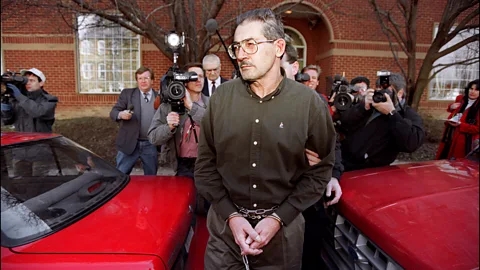
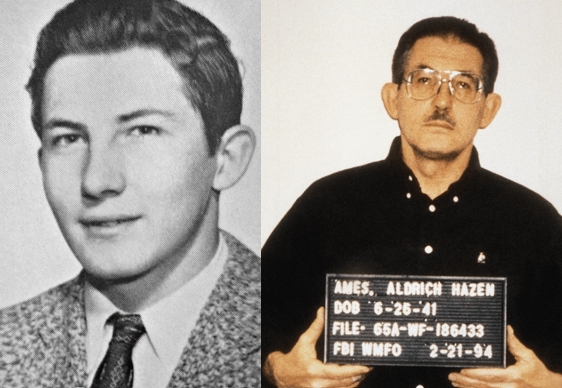
During the Cold War, few betrayals shook the United States intelligence community like that of Aldrich Ames, a CIA counterintelligence officer who sold secrets to the Soviet Union and later Russia. Ames’s espionage compromised countless agents, led to the execution of American assets, and dealt one of the harshest blows to U.S. intelligence in history. Ames joined the Central Intelligence Agency in 1962 and rose through the ranks, specializing in Soviet counterintelligence. By the mid 1980s, frustrated by low pay, debt, and personal ambition, he began secretly contacting the KGB. He offered highly classified information in exchange for money, receiving more than two and a half million dollars over nine years, making him one of the highest paid foreign agents in Soviet history. He used the funds to buy a luxury home, expensive cars, and designer clothes, all while working at the heart of the CIA’s Soviet division. The consequences were devastating. Ten CIA sources inside the Soviet Union were arrested and executed. Entire networks were dismantled, and several long running operations collapsed almost overnight. Ames revealed the names of key double agents, the structure of U.S. intelligence in Moscow, and even details of surveillance technology, giving the KGB a deep advantage during a critical period of the Cold War. Despite his sudden wealth and declining work performance, internal oversight failed to flag him. His senior position, access to sensitive files, and the CIA’s culture of trust allowed him to operate freely for nearly a decade. In 1994, after a defector’s warning and a joint FBI and CIA investigation, Ames was arrested outside his home in Arlington, Virginia. He pled guilty and received a life sentence without parole. His wife, Rosario Ames, who had assisted him, was sentenced to five years. Ames’s case remains a symbol of how one man’s greed and arrogance can unravel an entire intelligence system. #History #USHistory #DomesticEspionage #USA
CIA’s Deadliest Leak: Aldrich AmesCIA’s Deadliest Leak: Aldrich Ames