Tag Page blackhistory

#blackhistory
Rachel Marie

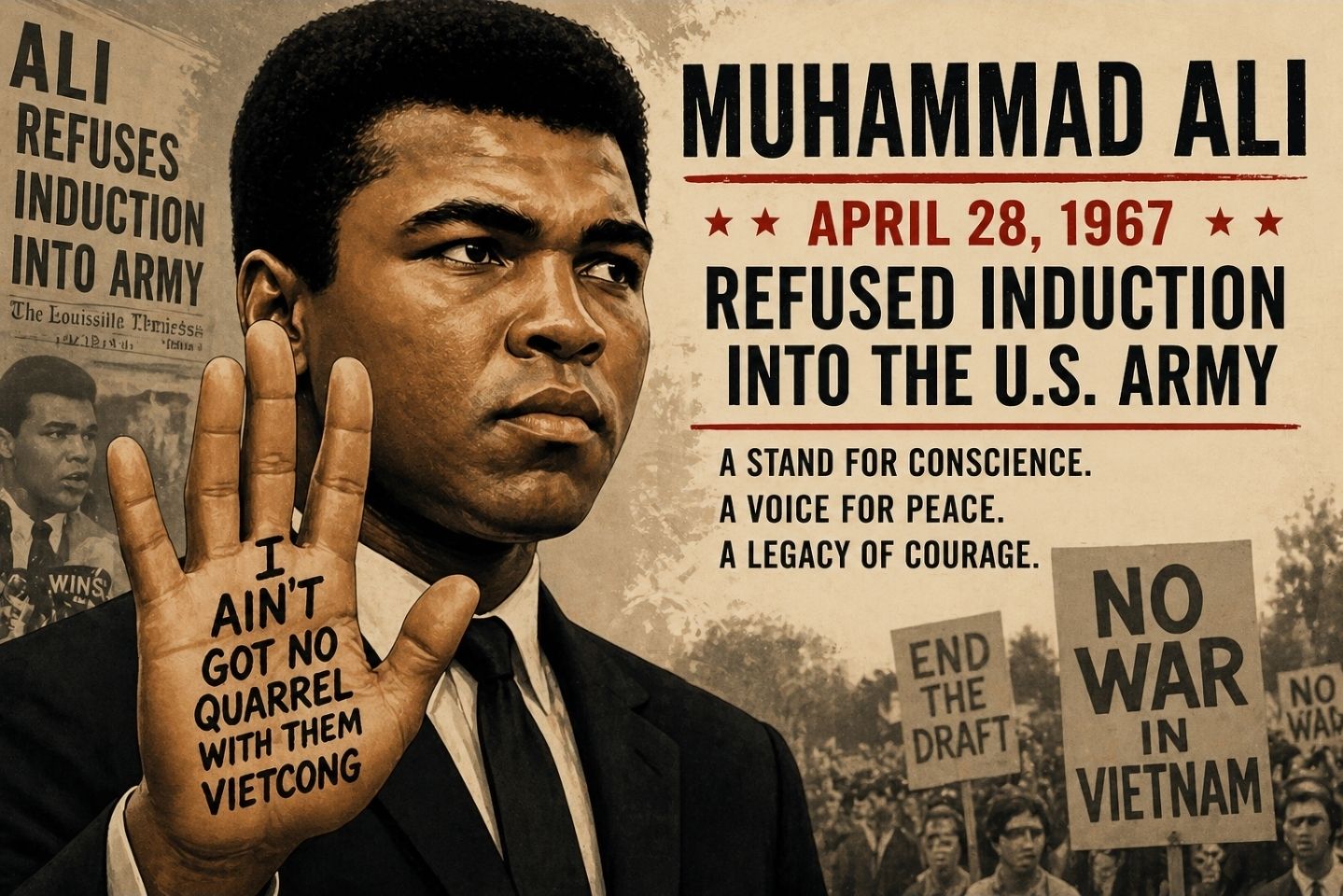
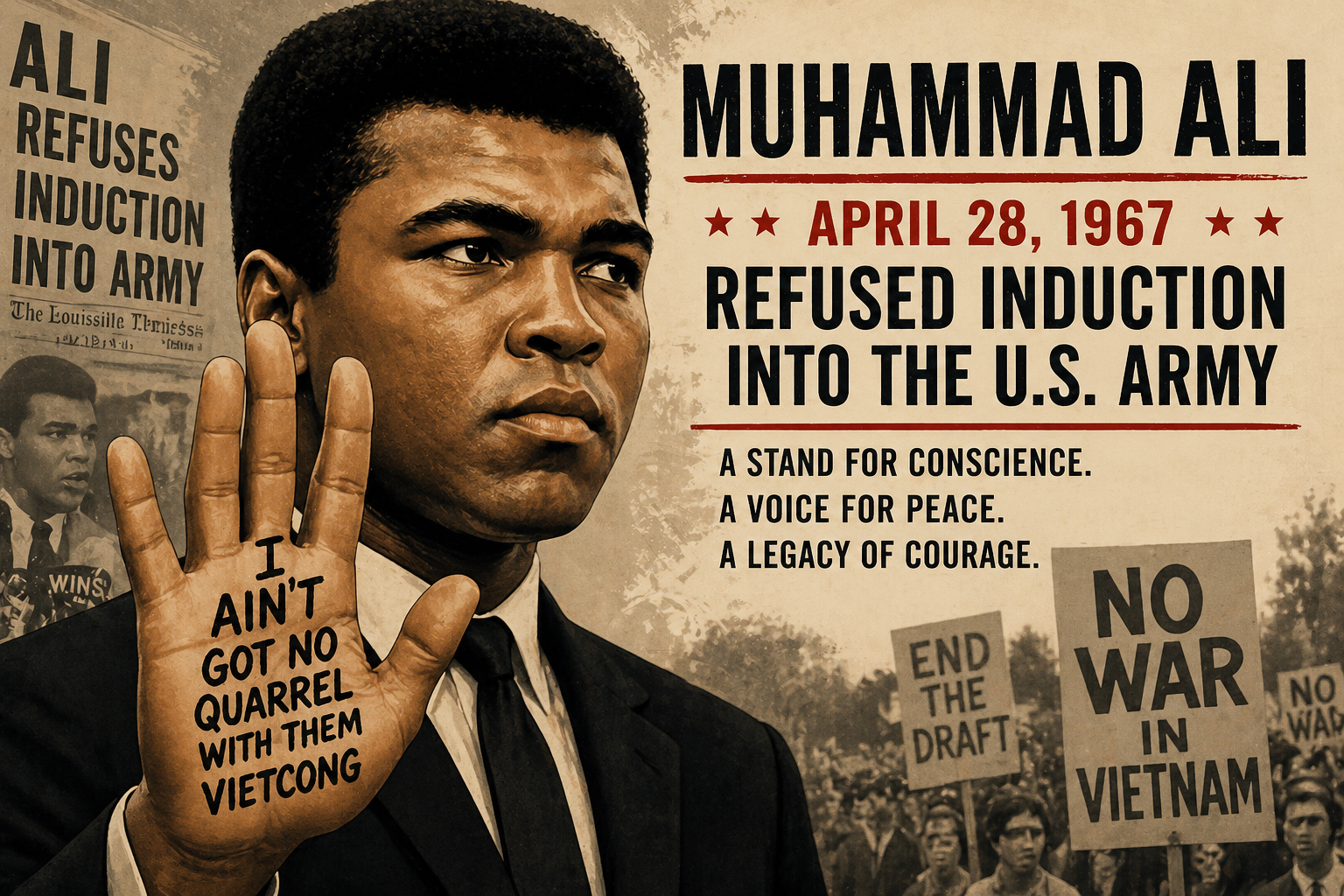
On April 28, 1967, Muhammad Ali stood in Houston and refused induction into the U.S Army during the Vietnam War. His reason was rooted in his Muslim faith and his belief that he was a conscientious obiector. He famously opposed fighting in a war abroad while Black Americans were still fighting for basic riahts at home. Ali was immediatelv stripped of his heavvweight title and boxing license. In June 1967. he was convicted of draft evasion, sentenced to five vears in prison fined $10,000, and banned from boxind during what should have been the peak vears of his career. He staved free while appealing the case, but he lost nearly four vears in the ring The public reaction was fierce. Many called him unpatriotic. Others saw him as brave principled, and ahead of his time. His stand connected sports to faith, conscience, race, politics, and the growing antiwar movement Ali did not iust risk money or fame. He risked his freedom In 1971, the U.S. Supreme Court unanimously overturned his conviction ir Clay v. United States. By then, Ali had become more than a boxing champion. He became a symbol of resistance, sacrifice and the riaht to follow one's conscience, even when the whole country tells you to sit down and be quiet Muhammad Ali's refusal remains one of the most powerful acts of protest in sports history. He lost his title, but he never lost his voice. #MuhammadAli #VietnamWar #SportsHistory #CivilRights #BlackHistory

LataraSpeaksTruth

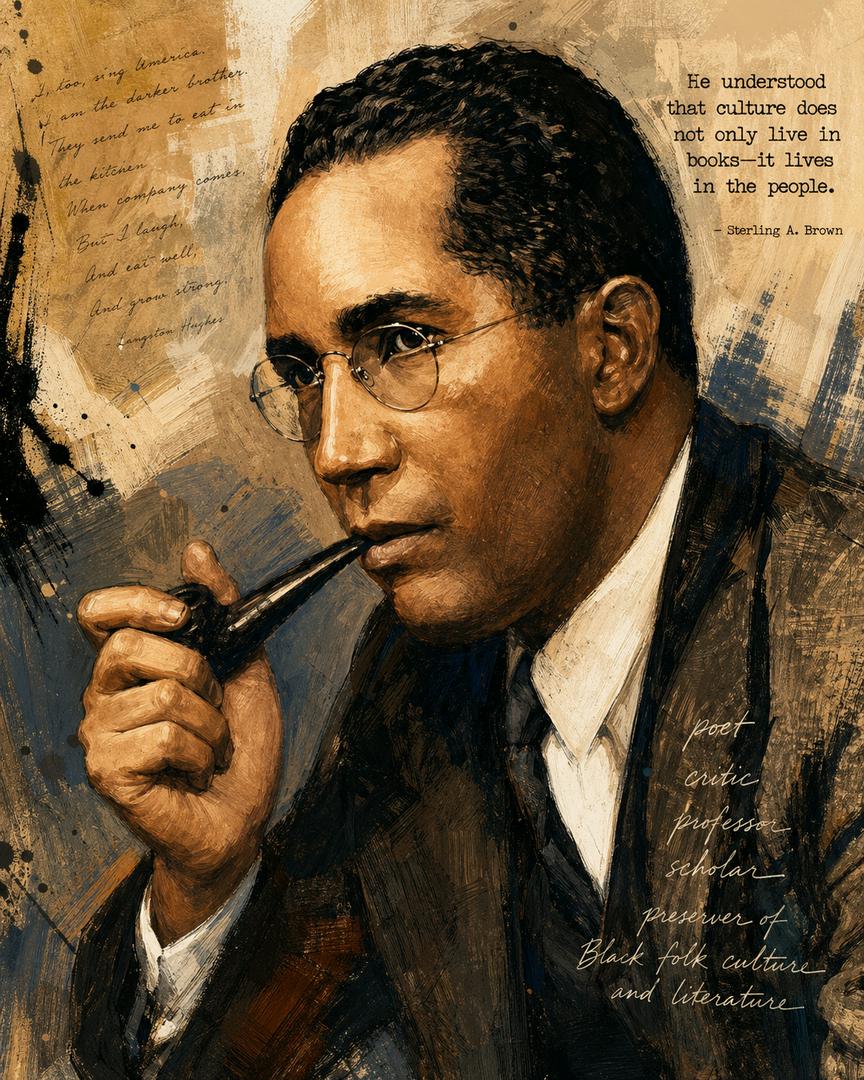
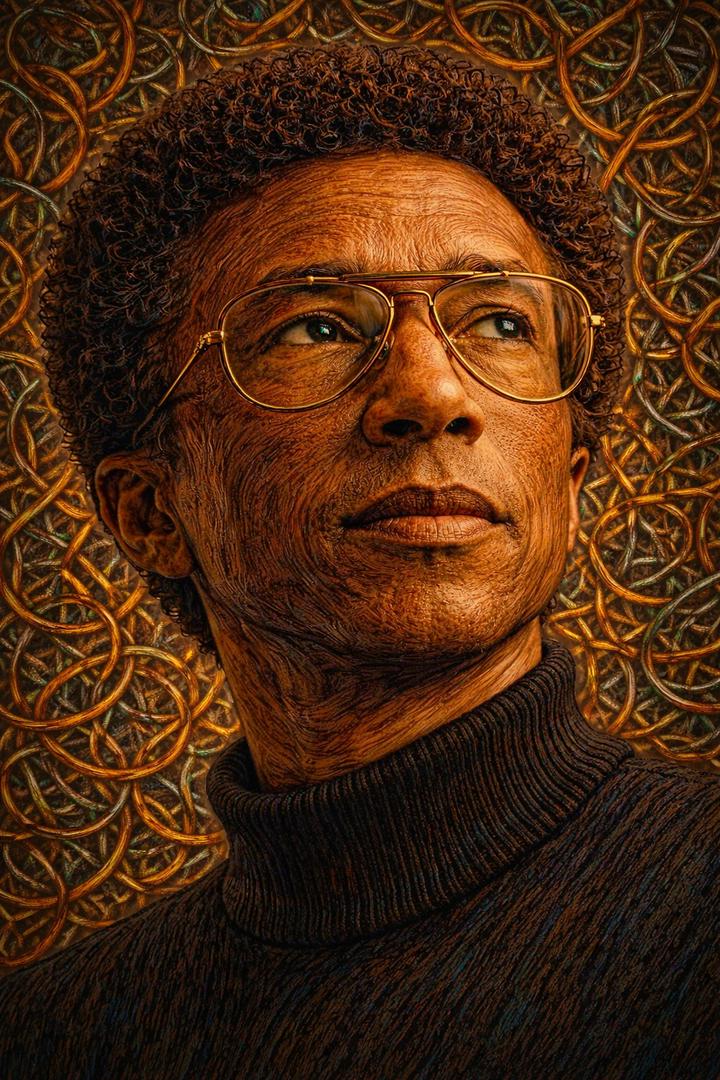
May 1, 1901: Sterling A. Brown was born in Washington, D.C. Brown became one of the most important literary voices connected to Black folk culture, poetry, criticism, and education. He was not just writing about Black life from a distance. He studied its sound, rhythm, humor, pain, wisdom, and everyday language with serious respect. A poet, professor, critic, and folklorist, Brown taught at Howard University for decades and helped shape generations of students and writers. His work pushed against narrow portrayals of Black people in literature. Instead of treating folk speech as something inferior, Brown recognized it as art, history, and cultural memory. His 1932 poetry collection “Southern Road” became one of his best-known works. Through poems rooted in blues, work songs, oral tradition, and Southern Black life, Brown showed that the voices of ordinary people carried depth, intelligence, and beauty. Brown also wrote major critical studies, including “The Negro in American Fiction” and “Negro Poetry and Drama.” His scholarship challenged stereotypes and examined how Black people were represented in American writing. He also helped edit “The Negro Caravan,” an important anthology of African American literature. His legacy matters because he preserved more than poems. He preserved voice. He understood that culture does not only live in formal books, classrooms, or museums. It lives in sayings, songs, stories, jokes, grief, survival, and the way people speak when the world is not listening. Sterling A. Brown helped make sure those voices were heard. #BlackHistory #SterlingABrown #BlackLiterature #PoetryHistory #HowardUniversity

LataraSpeaksTruth

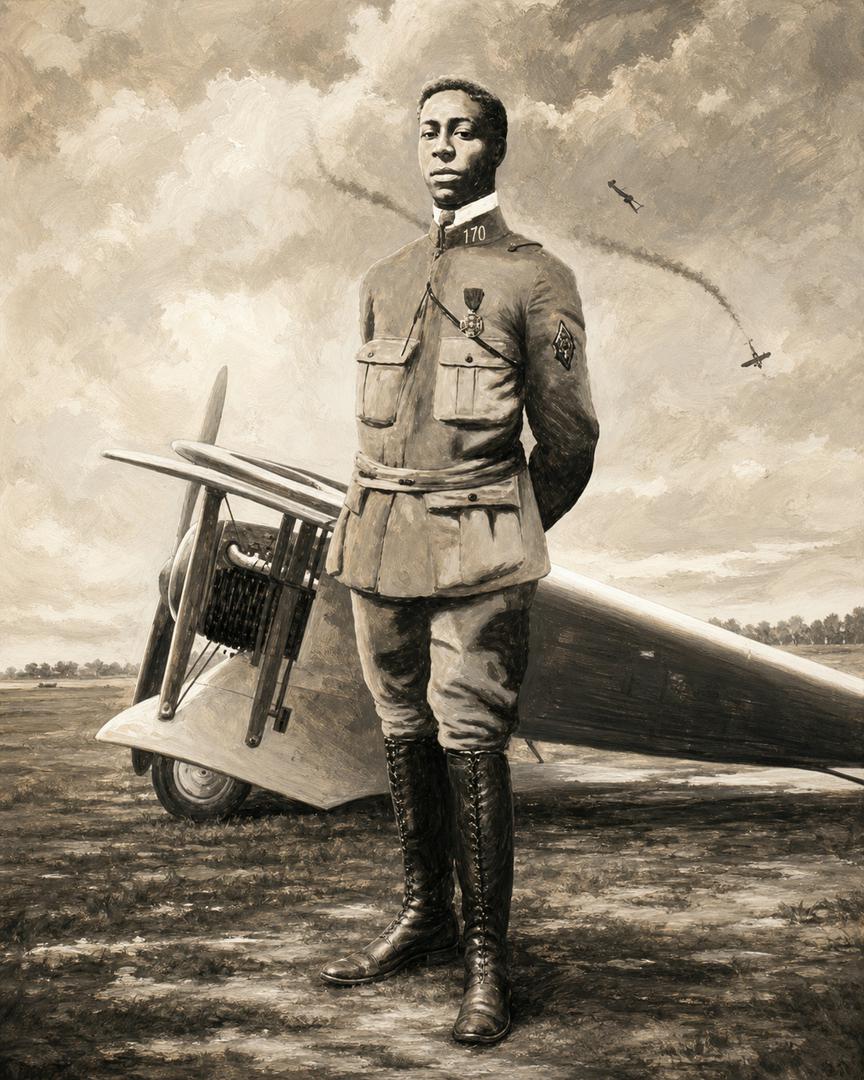
On May 5, 1917, Eugene Jacques Bullard earned his pilot’s license from the Aéro-Club de France. Born in Columbus, Georgia, Bullard became one of the first Black military pilots in world history and one of the most important combat aviators of World War I. Bullard’s story did not begin with privilege. He left the United States as a young man and eventually found his way to Europe. In France, he found opportunities America was not willing to give Black men at the time. When World War I began, Bullard joined the French Foreign Legion and later served in the French army. After being wounded at Verdun, he trained as a pilot and earned his wings in 1917. Aviation was still dangerous and new, but Bullard stepped into that world anyway. He flew for France before the United States was ready to recognize a Black man in that role. When America entered the war, some American pilots serving with France were accepted into U.S. service. Bullard was not. His skill, courage, and record were not enough to overcome the color line. France honored him for his service. Bullard received multiple military decorations and became remembered as a man who fought, flew, and survived in a world that tried to limit him. His story matters because Black achievement was often recognized overseas before it was respected at home. Eugene Bullard did not wait for permission from America to become history. He climbed into the cockpit anyway. Before the Tuskegee Airmen became legends, Eugene Jacques Bullard had already taken to the sky. #EugeneBullard #AviationHistory #WorldWarI #HiddenHistory #BlackHistory

LataraSpeaksTruth

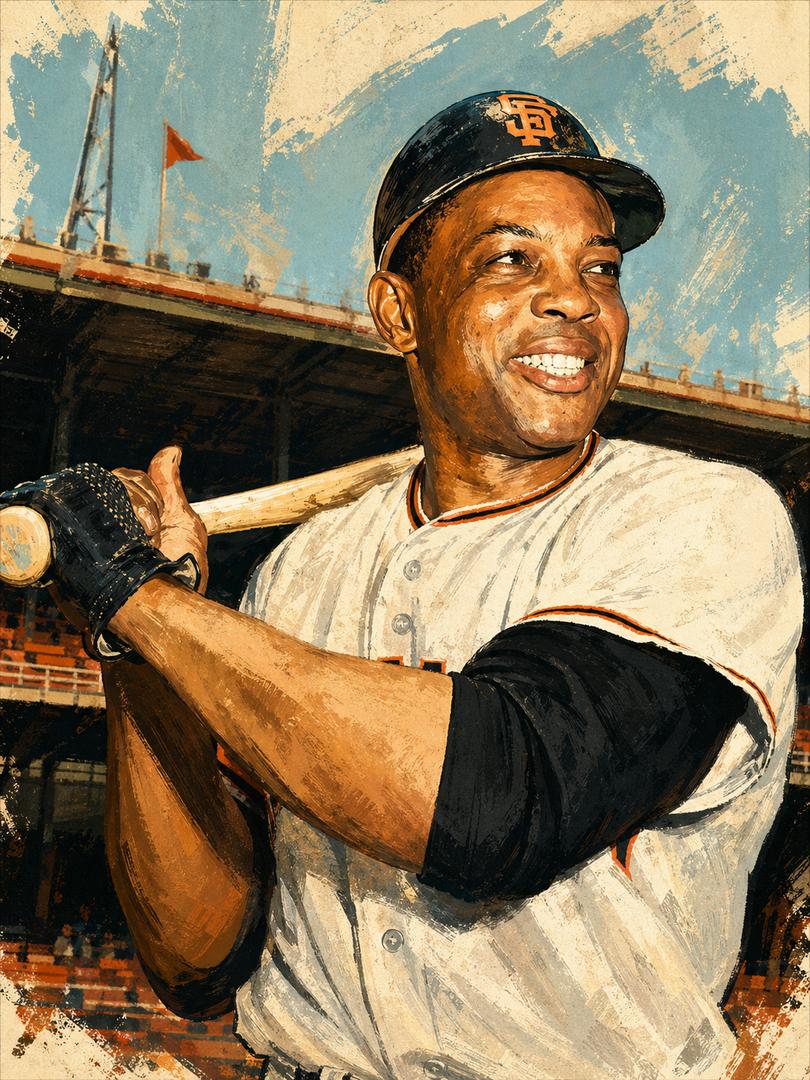
On May 4, 1966, Willie Mays added another historic line to one of baseball’s greatest careers. At Candlestick Park in San Francisco, Mays hit the 512th home run of his career against the Los Angeles Dodgers, breaking Mel Ott’s long-standing National League home run record. Ott, another Giants legend, had held the mark with 511 career home runs. Mays did not just tie history. He moved past it. The home run came in the fifth inning off Dodgers pitcher Claude Osteen during a 6-1 Giants victory. It was a fitting moment in franchise history. Ott had built his Hall of Fame career with the New York Giants, and Mays began his own career with that same franchise before it moved west to San Francisco. By 1966, Mays had already shown he could do almost everything on a baseball field. He could hit for power, run with speed, defend center field with brilliance, and change a game with one swing or one catch. His famous over-the-shoulder catch in the 1954 World Series had already become one of the sport’s most iconic images. But this moment showed something different. It showed endurance. It showed consistency. It showed how long Mays had remained dangerous at the plate. Records like this are not built in one season. They come from years of production, pressure, and excellence. Mays would go on to finish his career with 660 home runs, placing him among the greatest power hitters in Major League Baseball history. But on May 4, 1966, the focus was clear. He had passed Mel Ott and became the National League’s all-time home run leader. Willie Mays was not just remembered because he was exciting to watch. He was remembered because the record book had to make room for him. And when history placed a number beside his name, he kept swinging. #WillieMays #BaseballHistory #SportsHistory #SanFranciscoGiants #BlackHistory

LataraSpeaksTruth

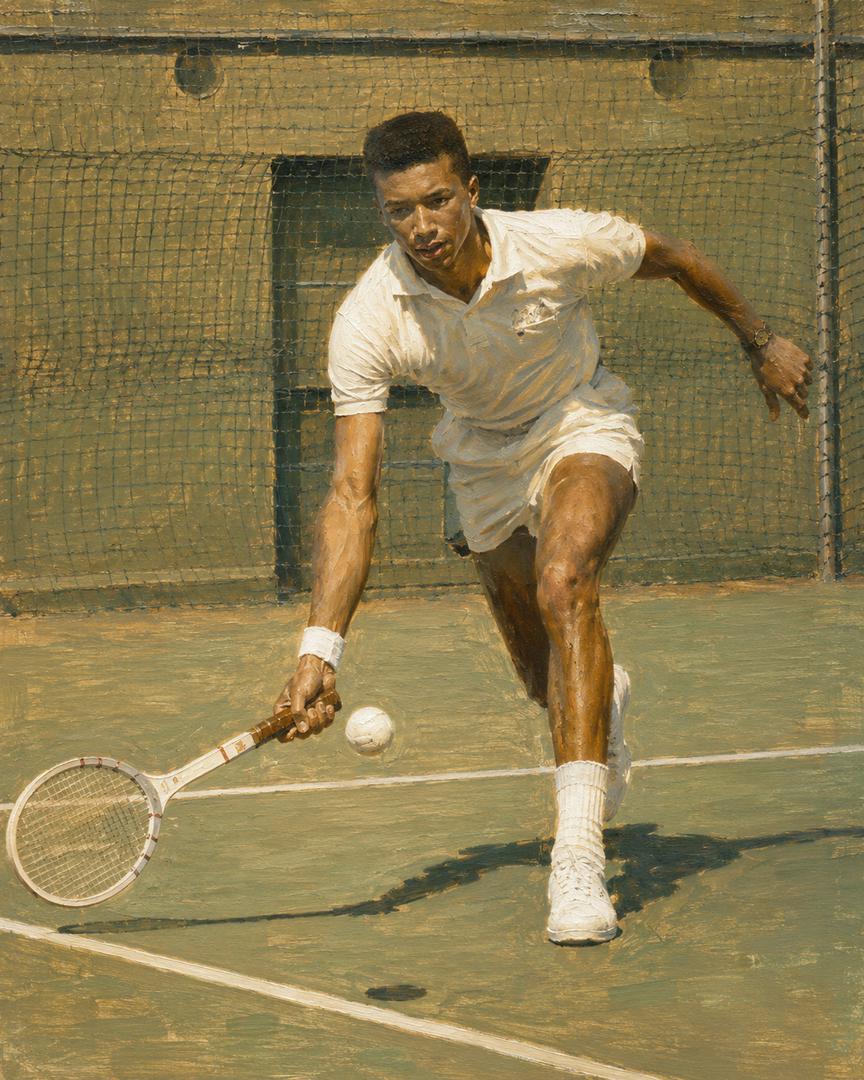
On May 14, 1963, Arthur Ashe made history while he was still a student at UCLA. That day, Ashe became the first African American selected to play on the United States Davis Cup tennis team. In a sport where access, visibility, and opportunity had long been limited, his selection marked a breakthrough that reached beyond the court. The Davis Cup was not just another tennis event. It was an international team competition where players represented their country. For Ashe to be chosen in 1963, during the civil rights era, gave the moment deeper meaning. He was not only competing as an athlete. He was stepping into a space where few Black players had been allowed to stand. Ashe’s rise was built on discipline, intelligence, and control. He was not known for loud theatrics. His power came through focus. His game was sharp, his presence was steady, and his purpose was clear. That quiet strength became part of what made his legacy so respected. At UCLA, Ashe continued building the foundation for a career that would change tennis history. He later became the first Black man to win the U.S. Open, the Australian Open, and Wimbledon singles titles. He also used his platform to speak on apartheid, education, public health, and human rights. But this May 14 moment deserves its own place in history. Before the Grand Slam titles, before the stadium carried his name, and before the world fully understood his impact, Arthur Ashe was a young college student chosen to represent the United States in one of tennis’s most prestigious competitions. His selection did not erase the barriers Black athletes faced. It exposed how long those barriers had stood. And every time Ashe walked onto the court, he carried more than a racket. He carried possibility. Arthur Ashe did more than make the team. He widened the court for everyone who came after him. #ArthurAshe #SportsHistory #TennisHistory #BlackHistory #OnThisDay

LataraSpeaksTruth

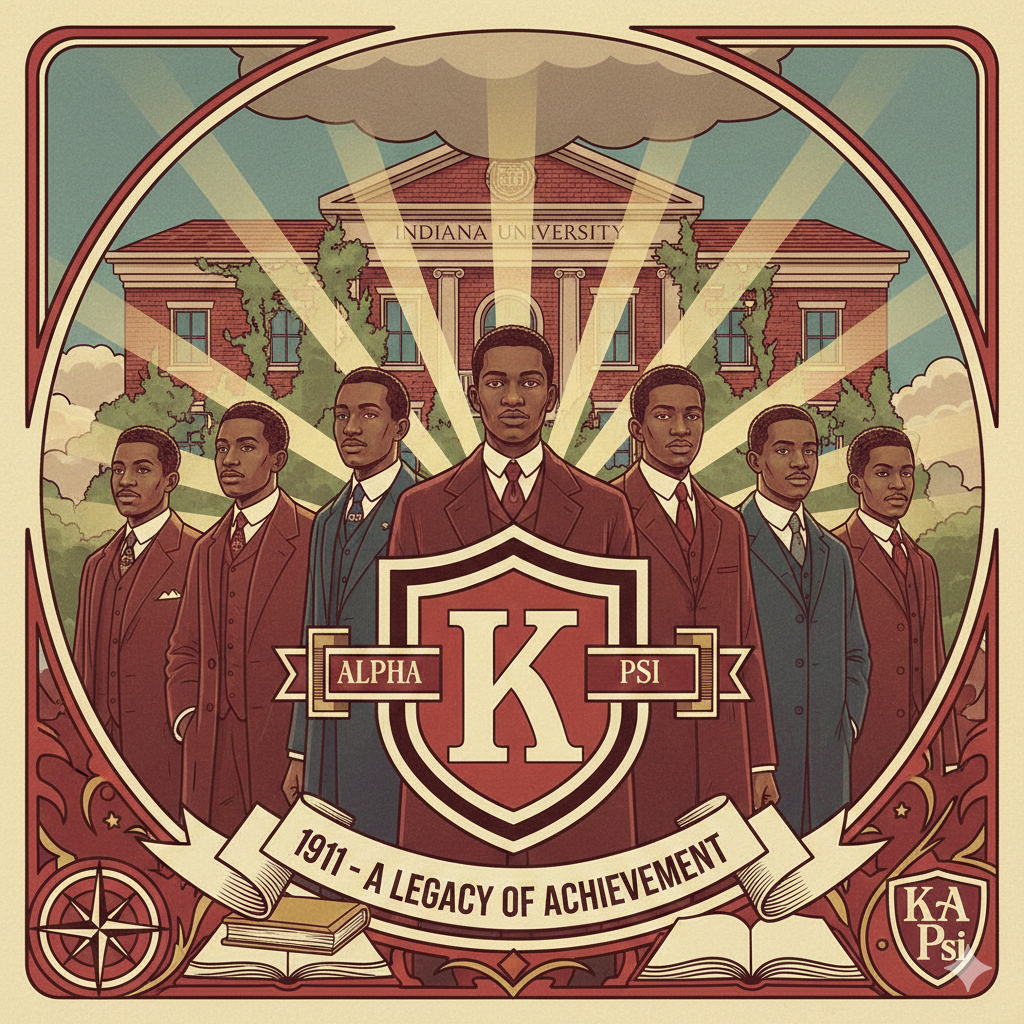
In 1911, ten Black college students at Indiana University Bloomington came together to form what would become one of the most enduring institutions in American higher education. Kappa Alpha Psi Fraternity, Inc. was founded at a time when Black students on predominantly white campuses faced isolation, discrimination, and limited access to institutional support. The organization was created not as a social club, but as a structured response to exclusion. Indiana University was not welcoming to Black students in the early twentieth century. They were barred from campus housing, excluded from many student organizations, and often treated as outsiders within academic spaces. The ten founders recognized that survival and success required unity, discipline, and collective purpose. Kappa Alpha Psi was established to provide academic support, leadership development, and a sense of belonging for students navigating a hostile environment. From its beginning, the fraternity emphasized achievement, service, and personal responsibility. Its mission focused on preparing members to lead within their professions and communities, reinforcing the idea that education was both a personal pathway and a collective responsibility. This framework allowed the organization to expand beyond campus life and into broader civic influence. Over time, Kappa Alpha Psi became one of the nine historically Black Greek letter organizations commonly known as the Divine Nine. Its impact has extended into law, politics, education, business, and social advocacy. What began as a protective network for marginalized students evolved into a national institution shaping leadership across generations. The founding of Kappa Alpha Psi reflects a broader pattern in American history where exclusion produced innovation. When access was denied, structure was built. When support was withheld, community was created. #KappaAlphaPsi #DivineNine #BlackHistory #HigherEducation #HistoricallyBlackOrganizations

LataraSpeaksTruth

On April 28, 1967, Muhammad Ali stood in Houston and refused induction into the U.S. Army during the Vietnam War. His reason was rooted in his Muslim faith and his belief that he was a conscientious objector. He famously opposed fighting in a war abroad while Black Americans were still fighting for basic rights at home. Ali was immediately stripped of his heavyweight title and boxing license. In June 1967, he was convicted of draft evasion, sentenced to five years in prison, fined $10,000, and banned from boxing during what should have been the peak years of his career. He stayed free while appealing the case, but he lost nearly four years in the ring. The public reaction was fierce. Many called him unpatriotic. Others saw him as brave, principled, and ahead of his time. His stand connected sports to faith, conscience, race, politics, and the growing antiwar movement. Ali did not just risk money or fame. He risked his freedom. In 1971, the U.S. Supreme Court unanimously overturned his conviction in Clay v. United States. By then, Ali had become more than a boxing champion. He became a symbol of resistance, sacrifice, and the right to follow one’s conscience, even when the whole country tells you to sit down and be quiet. Muhammad Ali’s refusal remains one of the most powerful acts of protest in sports history. He lost his title, but he never lost his voice. #MuhammadAli #VietnamWar #SportsHistory #CivilRights #BlackHistory

LataraSpeaksTruth

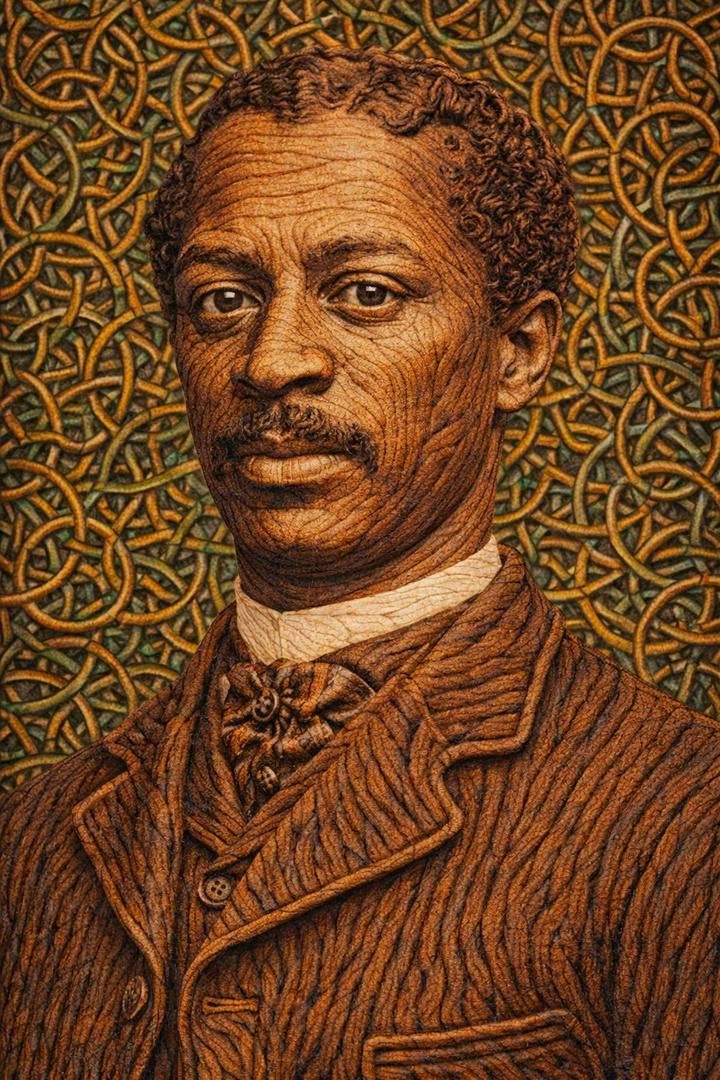
Robert Tanner Freeman was a young man from Washington, D.C., who came of age in a nation that tried to keep Black Americans out of higher education and the professions. Born in 1846, he lived in an era when opportunity was guarded closely and the path into professional life was filled with barriers. Still, he refused to accept the limits placed before him. As a young man, Freeman worked under Dr. Henry Bliss Noble, a white dentist in Washington who became his mentor and encouraged him to study dentistry. At a time when Black students were routinely denied admission to professional schools, Freeman pushed forward with determination. In 1867 he entered Harvard Dental School, and in 1869 he became the first Black man in the United States to earn a formal dental degree. After completing his education, Freeman returned to Washington, D.C., where he opened a dental practice and served his community. His presence in the profession carried weight during a time when Black professionals were rarely seen in such spaces. By establishing himself as a trained dentist, he helped open a path for others who would follow. Robert Tanner Freeman’s story is not only about education. It reflects persistence, discipline, and the courage to step into rooms that had long been closed to people like him. His career was brief, but the example he set became part of a larger movement as Black Americans pushed into medicine, dentistry, education, and other professional fields. Freeman died in 1873 at only 27 years old. Though his life was short, his achievement remains a powerful part of the history of Black advancement in American professional life. #OurHistory #RobertTFreeman #BlackHistory #MedicalHistory #DentalHistory #BlackExcellence #AfricanAmericanHistory #LataraSpeaksTruth

LataraSpeaksTruth

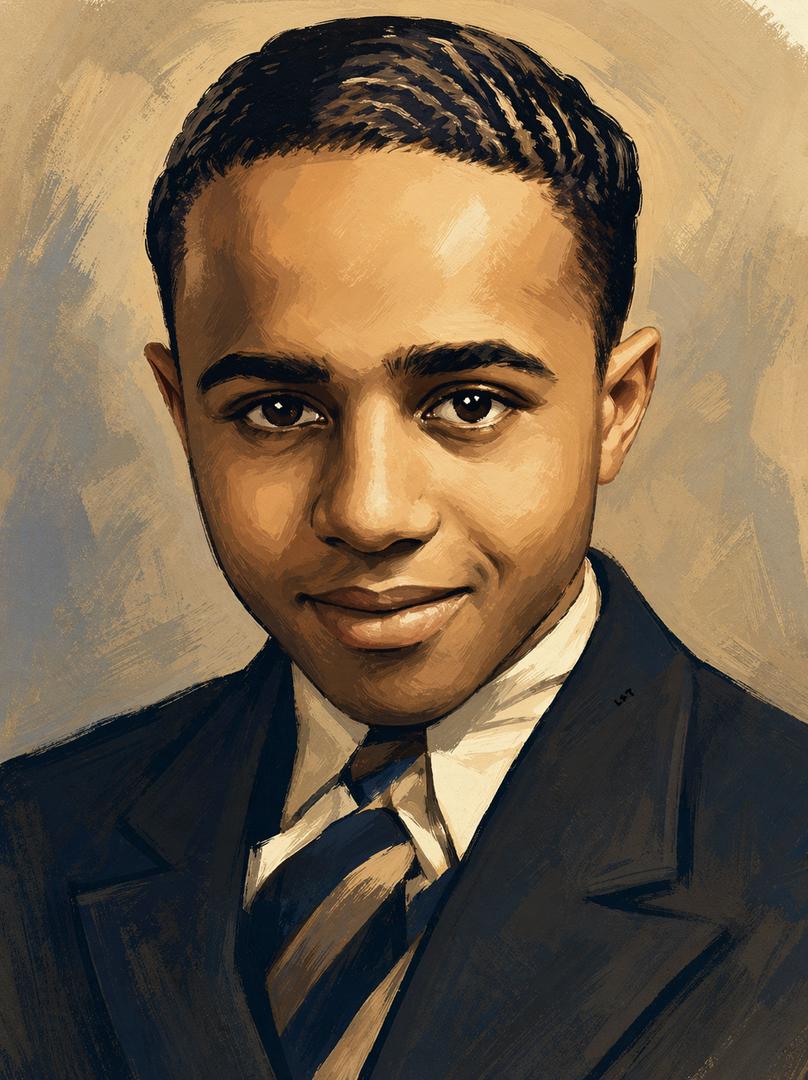
On April 24, 1919, David Harold Blackwell was born in Centralia, Illinois. And his name belongs in the room whenever we talk about brilliant minds who helped shape the modern world. Blackwell became a mathematician and statistician whose work touched probability, game theory, information theory, Bayesian statistics, and dynamic programming. That may sound like a mouthful, but here is the plain truth: he studied how people make decisions when the outcome is uncertain. That kind of thinking matters everywhere. In economics. In science. In technology. In strategy. In the systems people use today without ever knowing whose mind helped build the foundation. He earned his Ph.D. in mathematics from the University of Illinois in 1941, when he was only 22 years old. At a time when doors were often closed before a Black scholar could even reach for the handle, Blackwell kept walking forward anyway. In 1965, he became the first African American elected to the National Academy of Sciences. That was not just a personal achievement. That was a barrier breaking in one of the highest scientific institutions in the country. He also became the first Black tenured professor at the University of California, Berkeley, and his legacy continues through ideas tied to the Rao-Blackwell theorem, Blackwell’s approachability theorem, and other work that still carries his name. David Blackwell did not need noise to prove greatness. His work was precise. His mind was powerful. And his legacy reminds us that Black history is not only found in marches, music, sports, or politics. It is also found in equations, theories, classrooms, and ideas that changed how the world thinks. On April 24, we remember David Harold Blackwell…a quiet giant of mathematics whose brilliance still speaks. #DavidBlackwell #BlackHistory #HiddenHistory #Mathematics #LataraSpeaksTruth

LataraSpeaksTruth

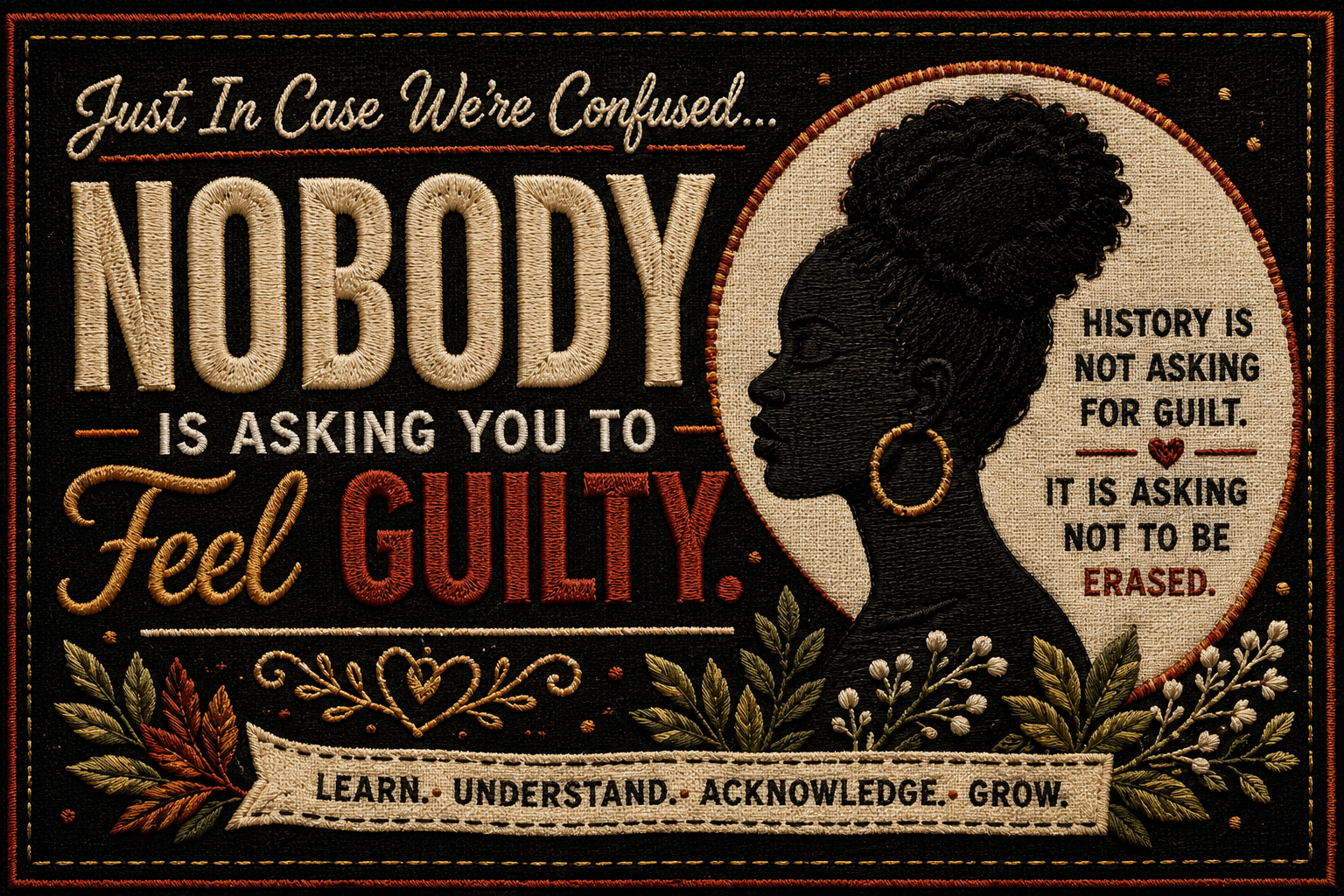
Just In Case We’re Confused… Nobody Is Asking You To Feel Guilty. One of the strangest reactions to Black history is watching people hear historical facts and immediately turn it into “So I’m supposed to feel bad for being white?” or “Why should I apologize for something I didn’t do?” That response says more about discomfort than the actual conversation. Most people talking about Black history are not asking random strangers to carry personal guilt for slavery, segregation, lynching, redlining, discrimination, or stolen opportunities. History is being discussed because history shaped the world people are living in right now. Learning history is not the same thing as accepting personal blame. Nobody walks through a Holocaust museum assuming modern German teenagers are being personally accused of building concentration camps. Nobody studies the Great Depression thinking every modern banker caused it. That is not how historical education works. But for some reason, when Black history is discussed honestly, some people instantly become defensive before anyone even accused them of anything. Acknowledging history is not self-hatred. It is not guilt. It is not punishment. It is maturity. A mature society should be able to examine what happened, understand the impact, and tell the truth without collapsing into denial every five minutes. And honestly… if hearing documented history feels like a personal attack, maybe the issue is not the history lesson. Maybe the issue is the need to avoid uncomfortable truths. History is not asking for guilt. It is asking not to be erased. #LataraSpeaksTruth #BlackHistory #HistoryMatters #PublicMemory #AmericanHistory #TruthMatters #CommentarySeries #CulturalCommentary #HistoricalTruth #JustInCaseWereConfused